
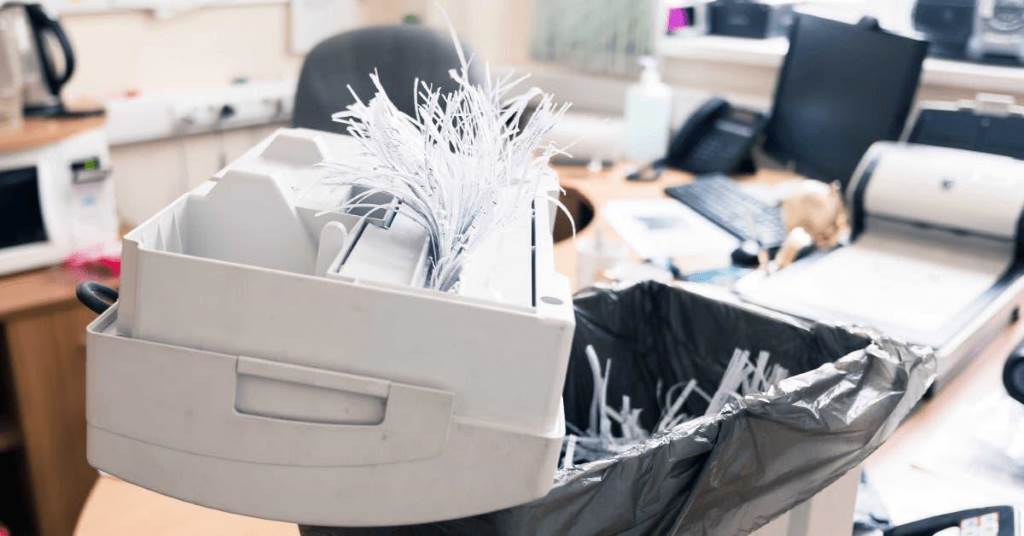
Every office handles sensitive information, from employee records to financial reports. Yet many businesses still overlook proper document disposal. According to the Federal Trade Commission, identity theft affects millions of Americans each year, and poor document handling plays a major role. In addition, the U.S. Small Business Administration highlights that small offices are frequent targets due to weaker security practices. Choosing the right small office shredder is not just about convenience. It is about protecting your data, maintaining compliance, and building trust with clients.
Why a Small Office Shredder Is Essential
A shredder is more than a piece of equipment. It is your first line of defense against data breaches. Paper documents often contain confidential details such as Social Security numbers, account data, and internal strategies. If discarded without shredding, they become easy targets.
Moreover, regulations in the United States require businesses to dispose of sensitive information securely. Failing to do so can result in legal issues and reputational damage. Therefore, investing in a reliable shredder ensures compliance and peace of mind.
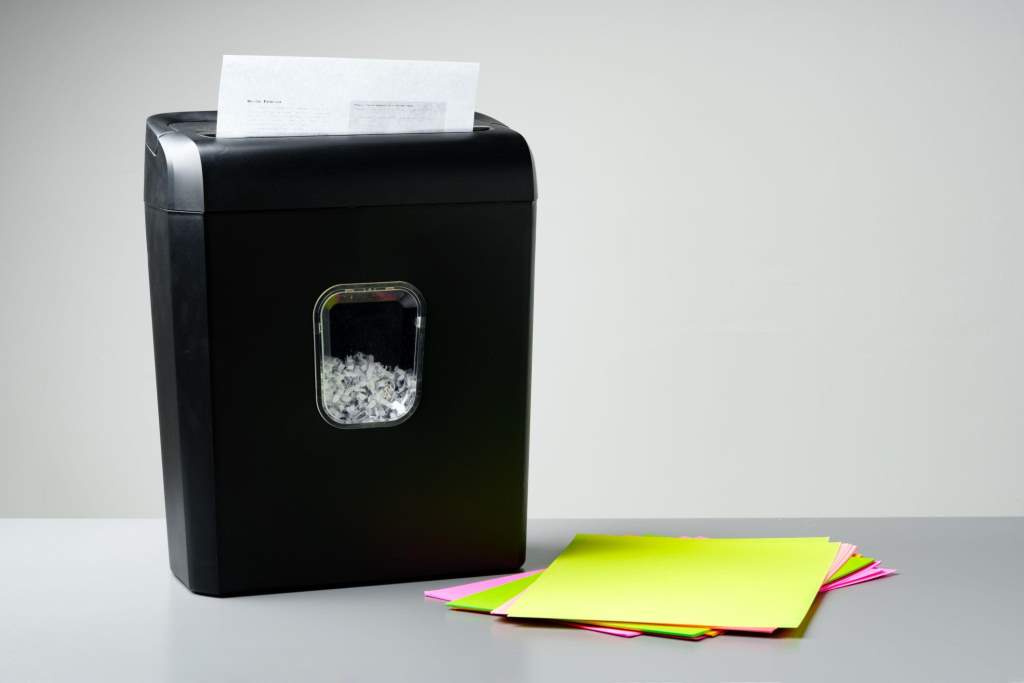
Beyond security, shredders also improve workplace organization. They help reduce clutter and encourage better document management habits. As a result, your office stays efficient and professional.
Types of Small Office Shredders
Understanding different shredder types helps you make a smarter decision. Each type offers a different level of security and performance.
Strip Cut Shredders
Strip cut machines slice paper into long strips. They work quickly and handle large volumes. However, they provide basic security.
These models suit offices that dispose of non sensitive documents. Still, they are not ideal for confidential information.
Cross Cut Shredders
Cross cut shredders cut paper into small particles. This makes reconstruction difficult.
They offer a balance between speed and security. Many small offices prefer this option because it handles moderate workloads efficiently.
Micro Cut Shredders
Micro cut shredders provide the highest level of security. They turn documents into tiny pieces that are nearly impossible to reassemble.
These machines work best for offices dealing with highly sensitive data. Although they may shred slower, they deliver superior protection.
Key Features to Consider Before Buying
Shredding Capacity
Shredding capacity refers to how many sheets the machine can handle at once. A small office typically needs a shredder that handles 8 to 15 sheets per pass.
Choosing the right capacity prevents jams and improves efficiency. It also reduces the time employees spend waiting to shred documents.
Security Level
Security levels range from basic to high. Offices handling confidential data should choose cross cut or micro cut shredders.
Higher security levels ensure compliance with privacy regulations. They also protect your business from data theft.
Run Time and Cool Down Period
Run time determines how long the shredder operates before needing a break. Some models run continuously, while others require cooling after a few minutes.
For busy offices, a longer run time is essential. It allows multiple users to shred documents without interruption.
Bin Size and Waste Management
A larger bin reduces the need for frequent emptying. This feature saves time and keeps the workspace clean.
Look for models with easy to remove bins. Some even include indicators to show when the bin is full.
Noise Level
Office environments require quiet equipment. Loud shredders can disrupt productivity.
Many modern machines include noise reduction features. Choosing a quieter model improves the overall work atmosphere.
How to Match a Shredder to Your Office Needs
Assess Your Document Volume
Start by evaluating how much paper your office disposes of daily. High volume offices need durable machines with strong motors.
Smaller teams can choose compact models with moderate capacity. This ensures efficiency without overpaying for unnecessary features.
Consider the Number of Users
If multiple employees use the shredder, choose a model designed for shared use. These machines offer higher capacity and longer run times.
Single user shredders may not handle the demands of a busy office. Therefore, matching the shredder to your team size is crucial.
Evaluate Security Requirements
Different industries require different levels of security. For example:
- Financial offices need high security shredders
- Healthcare providers must comply with strict privacy laws
- Marketing agencies may need moderate protection
Understanding your requirements helps you choose the right type.
Common Mistakes to Avoid
Many buyers make simple mistakes that lead to poor performance. Avoiding these errors saves time and money.
- Choosing the wrong shredder type for sensitive documents
- Ignoring run time and overheating issues
- Buying a model with low capacity for a busy office
- Overlooking maintenance requirements
- Selecting noisy machines that disrupt workflow
By avoiding these mistakes, you ensure a better long term investment.
Maintenance Tips for Long Lasting Performance
Proper maintenance extends the life of your shredder. It also ensures consistent performance.
Regular Cleaning
Dust and paper particles can build up inside the machine. Cleaning it regularly prevents jams and overheating.
Empty the bin before it becomes too full. This keeps the shredder running smoothly.
Oil the Blades
Lubricating the blades reduces friction. It also improves cutting efficiency.
Use shredder oil as recommended by the manufacturer. Regular oiling keeps the machine in good condition.
Avoid Overloading
Feeding too many sheets at once can damage the motor. Always follow the recommended capacity.
Overloading leads to jams and reduces the lifespan of the shredder.
Use It Correctly
Avoid shredding materials that the machine cannot handle. For example, some models cannot shred credit cards or staples.
Understanding your shredder’s limits prevents unnecessary damage.
Benefits of Choosing the Right Shredder
Enhanced Data Security
A high quality shredder ensures that sensitive information stays protected. This reduces the risk of identity theft and fraud.
Businesses that prioritize security build stronger trust with clients.
Improved Efficiency
The right shredder speeds up document disposal. Employees spend less time dealing with paper waste.
This leads to better productivity across the office.
Regulatory Compliance
Proper document disposal helps businesses meet legal requirements. This is especially important for industries handling personal data.
Compliance protects your business from penalties and lawsuits.
Better Workplace Organization
Shredders help reduce clutter and maintain a clean workspace. Organized offices create a more professional environment.
As a result, employees feel more focused and motivated.
Real World Example
A small accounting firm in California upgraded from a strip cut shredder to a micro cut model. Within months, they noticed fewer document handling errors and improved client confidence.
Additionally, they reduced the time spent managing paper waste. This simple change enhanced both security and efficiency.
Such examples highlight the importance of choosing the right equipment.
Environmental Considerations
Modern offices aim to reduce their environmental impact. Shredded paper can be recycled easily.
Choose shredders that support eco friendly practices. Some models even include energy saving features.
Recycling shredded materials contributes to sustainability. It also aligns your business with responsible practices.
Conclusion
Choosing the best small office shredder requires careful consideration. You need to balance security, capacity, and usability. By understanding your office needs, you can select a machine that protects your data and improves efficiency.
Do not treat shredders as optional equipment. They are essential tools for modern businesses. Take action today and invest in a reliable shredder that keeps your information safe and your office running smoothly.
FAQs
What is the best type of shredder for a small office
Cross cut shredders offer a good balance of security and performance. However, micro cut models provide higher protection for sensitive data.
How often should I maintain my shredder
Regular cleaning and oiling should be done every few weeks. Frequent use may require more consistent maintenance.
Can a small office shredder handle staples and cards
Some models can handle these materials, but not all. Always check the specifications before use.
How do I prevent paper jams
Avoid overloading the machine and feed paper evenly. Regular maintenance also reduces the risk of jams.
Is a shredder necessary for small businesses
Yes, it helps protect sensitive information and ensures compliance with data protection regulations.