
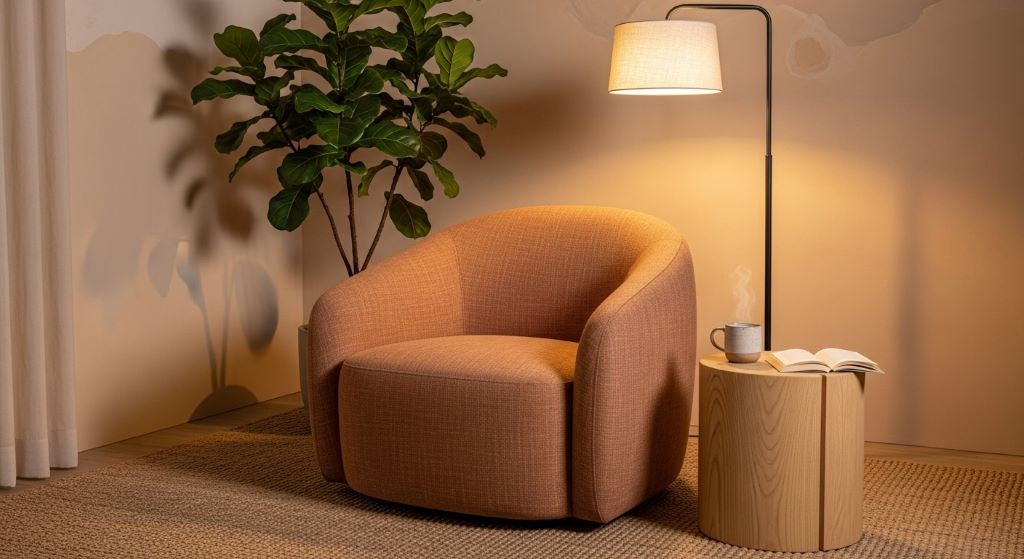
Creating a peaceful retreat inside your home is no longer just about picking a cozy chair. Today, science and design work together to shape how your brain responds to a space. Neuroaesthetic design principles use research on how the brain processes beauty, calm, and comfort. By applying these ideas, you can build a corner that truly helps your mind unwind.
What Is Neuroaesthetic Design?
Neuroaesthetics is the study of how art, beauty, and sensory experiences affect the brain. When you apply this to interior design, you create spaces that reduce stress hormones, lower heart rate, and encourage a calm mental state. It is not about making things look pretty. It is about making your brain feel safe and at ease.
Therefore, a well-designed relaxation corner goes beyond decoration. It works with your nervous system. It sends signals to your brain that it is time to slow down and rest.
Choosing the Right Location
The first step is picking the right spot. Look for a corner with natural light if possible. Natural light is linked to higher serotonin levels, which helps regulate mood. However, too much harsh sunlight can feel stimulating rather than soothing.
A corner near a window works well. You get soft daylight during the day and a sense of openness. Additionally, a spot away from high-traffic areas of your home helps reduce noise and distraction. Your brain needs to feel removed from the busyness of daily life to truly relax.
If natural light is limited, choose a spot where you can control the lighting easily. This gives you flexibility as the day changes.
Designing With Color Psychology
Color is one of the most powerful tools in neuroaesthetic design. Your brain responds to color within milliseconds. Certain shades trigger calm, while others spark energy or anxiety.
For a relaxation corner, lean toward cool, muted tones. Soft blues, sage greens, warm whites, and dusty lavenders are excellent choices. These colors are associated with nature and open space. They help lower cortisol levels, which is the body’s primary stress hormone.
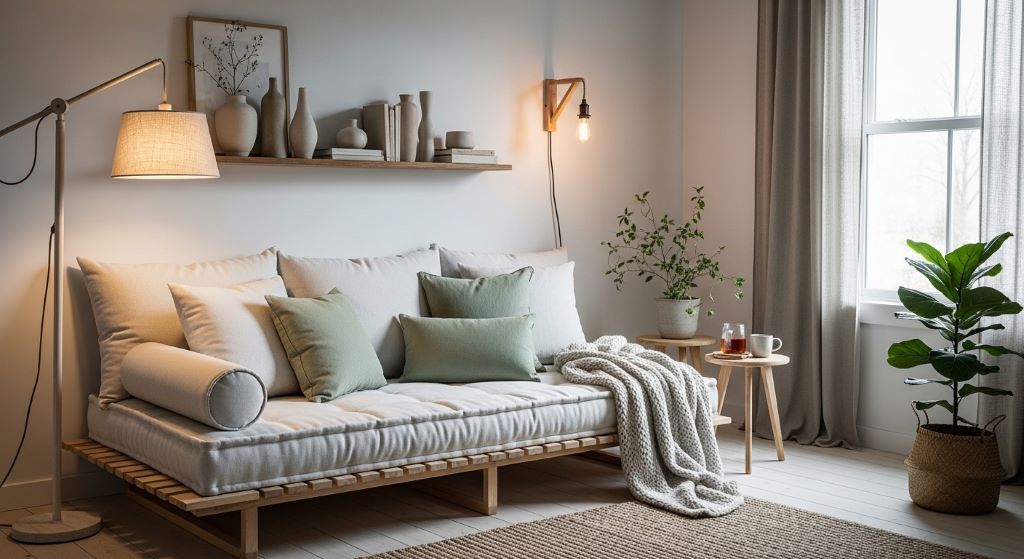
However, you do not need to repaint an entire wall. Use color through cushions, throws, a small rug, or artwork. Even small pops of calming color send meaningful signals to the brain.
Avoid overly bright or high-contrast color combinations in this space. They create visual stimulation, which is the opposite of what you want.
Selecting Furniture That Supports the Body and Mind
Comfort is essential, but neuroaesthetic design asks you to think beyond just physical comfort. The shape, texture, and size of furniture all play a role in how your brain interprets the space.
Choose furniture with rounded edges. Sharp corners and angular lines trigger subtle feelings of alertness and even threat in the brain. Curved shapes, on the other hand, feel friendlier and more inviting. A rounded armchair, a soft ottoman, or a curved floor cushion all work well.
Additionally, the furniture should feel proportionate to the corner. Oversized pieces can feel overwhelming. Small, well-scaled furniture makes the space feel contained and cozy, which encourages the brain to relax.
Consider seating that allows you to sit with your back supported. Feeling physically secure is directly tied to mental calm. Therefore, a chair with a high back or a nook-style seat with walls on two sides creates a sense of safety.
Using Natural Elements to Calm the Nervous System
Nature has a profound effect on the human brain. Research consistently shows that exposure to natural elements reduces stress and improves mood. This concept is known as biophilic design, and it fits naturally within neuroaesthetic principles.
Bring nature into your relaxation corner in simple ways:
- Add one or two low-maintenance plants, such as a pothos or snake plant.
- Use a small water feature for gentle ambient sound.
- Choose natural materials like wood, linen, wool, or stone for textures.
- Place a bowl of smooth pebbles or a piece of driftwood as a tactile object.
These elements do not need to be dramatic. Even a single plant on a wooden shelf signals to your brain that you are in a safe, living environment. This triggers the parasympathetic nervous system, which is responsible for rest and recovery.
Managing Lighting for Deep Relaxation
Lighting is one of the most underestimated factors in creating a calming space. Bright white overhead lights signal daytime and alertness to your brain. Therefore, your relaxation corner should rely on softer, warmer light sources.
Use warm-toned bulbs with a color temperature around 2700K to 3000K. This mimics the tone of candlelight and the golden hour of sunset. Your brain reads this as a cue to wind down.
Layer your lighting by combining a small floor lamp, a table lamp, or even a few candles. Layered light creates depth and softness. Additionally, having a dimmer switch gives you control over the intensity, which is useful as your relaxation needs shift throughout the day.
Avoid screens in your relaxation corner whenever possible. The blue light from phones and tablets suppresses melatonin and keeps the brain alert. This space should be a screen-free zone.
Reducing Sensory Overload With Simplicity
One of the core ideas in neuroaesthetic design is that clutter overwhelms the brain. Visual noise competes for your attention and makes it harder to fully relax. Therefore, your relaxation corner should be intentionally simple.
Keep only what serves the purpose of rest. A few books, a journal, a candle, and a plant are enough. Resist the urge to fill every surface. Empty space is not wasted space. It gives your eyes a place to rest, which in turn gives your brain a place to breathe.
Use storage solutions that hide away anything unrelated to relaxation. A small basket or drawer can hold things out of sight. Out of sight truly does mean out of mind, especially in a space dedicated to calm.
Engaging the Senses Beyond Sight
A truly restorative corner engages more than just your vision. Neuroaesthetic design encourages a multi-sensory approach to calm.
Consider adding a gentle scent to the space. Lavender, eucalyptus, and chamomile are widely recognized for their calming properties. A diffuser with essential oils or a lightly scented candle works well. However, keep the scent subtle. Overpowering fragrances can become irritating rather than soothing.
Sound is another powerful tool. Soft background sound, such as gentle music, nature sounds, or white noise, can mask distracting household noise. This helps your brain stay in a relaxed state without straining to filter out disruptions.
Touch matters too. Choose soft, textured fabrics for cushions and throws. Running your fingers over a smooth wooden surface or a woven textile activates the tactile senses in a grounding, calming way.
Conclusion
Setting up a relaxation corner using neuroaesthetic design principles is both a practical and a deeply personal project. Start with the right location, then build outward using calming colors, comfortable and well-scaled furniture, natural elements, warm layered lighting, and sensory details that soothe rather than stimulate. Keep the space simple and intentional. Every element should earn its place by contributing to your sense of calm.
The result is more than a pretty corner. It becomes a small sanctuary that your brain recognizes and responds to. Over time, simply sitting in this space will begin to signal rest to your nervous system. That is the true power of neuroaesthetic design at work.
Frequently Asked Questions
- What is the most important element in a neuroaesthetic relaxation corner? Lighting and color are often considered the most impactful. Warm lighting and cool, muted tones send the clearest calm signals to the brain. However, all elements work together for the best effect.
- How much space do I need to create a relaxation corner? You do not need a large area. Even a 4×4 foot corner is enough. The key is intentional design, not square footage.
- Can I use my relaxation corner for meditation or yoga? Absolutely. In fact, neuroaesthetic design principles align well with meditation practices. A calm visual environment supports focused, mindful breathing and body awareness.
- How do I maintain a clutter-free relaxation corner? Set a simple rule: only items that serve rest belong in the space. Do a quick reset every few days to remove anything that has drifted in. A small storage basket helps keep things tidy.
- Do plants really make a difference in a relaxation corner? Yes. Research shows that even the presence of a single plant can reduce perceived stress. Plants also improve air quality slightly, and their organic shapes are processed by the brain as calming visual elements.
Related Topics:
How to Choose the Best Office Chair for Back Pain Relief and Support
How to Choose the Best Office Printer Table for Space and Functionality