
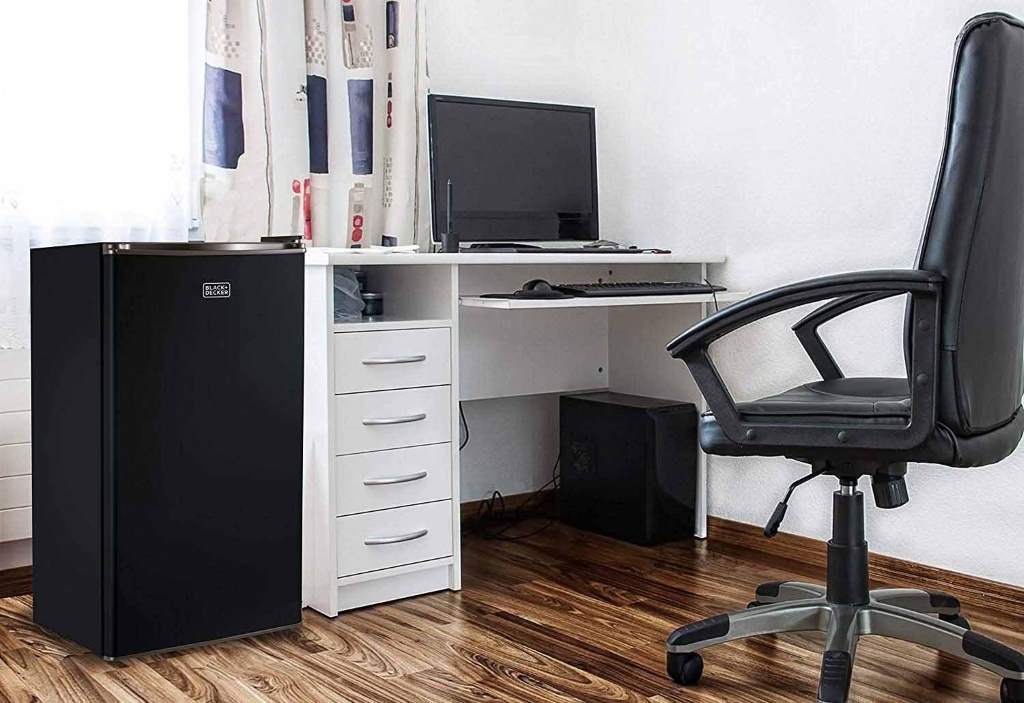
Choosing the right small office refrigerator can transform your workspace more than you might expect. A well selected unit keeps food fresh, reduces clutter, and supports healthier habits during busy workdays. According to the U.S. Department of Energy, small office refrigerator use up to 40 percent less energy than older models, which makes them both practical and efficient. At the same time, workplace studies show that access to fresh meals improves productivity and focus. So, selecting the best compact fridge is not just about storage. It is about comfort, efficiency, and smarter space use.
Why a Small Office Refrigerator Matters
A small refrigerator plays a key role in maintaining convenience at work. It allows employees to store meals, drinks, and snacks without leaving the office frequently. As a result, time is saved and productivity increases.
In addition, a compact fridge helps reduce dependence on takeout food. This supports healthier eating habits and lowers daily expenses. Many offices now include mini fridges as part of employee wellness initiatives.
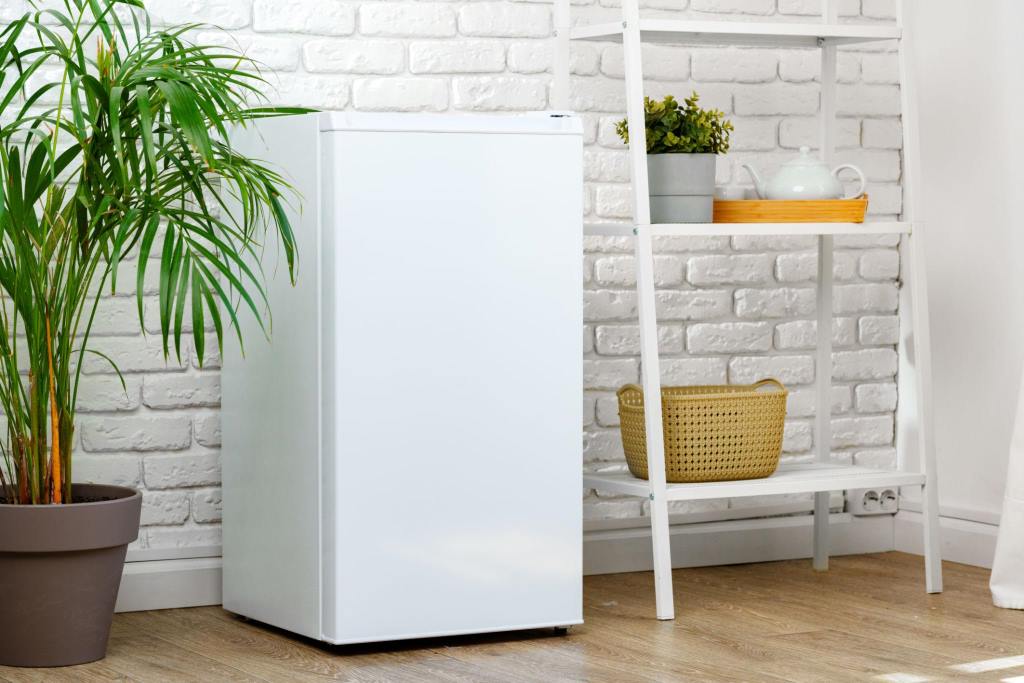
Space efficiency is another major benefit. Unlike full sized appliances, small office refrigerators fit easily under desks or in tight corners. Therefore, they are ideal for startups, home offices, and shared workspaces.
Understanding Different Types of Small Office Refrigerators
Compact Single Door Refrigerators
These are the most common choices for small offices. They include a fridge section and sometimes a small freezer compartment.
They work well for basic storage needs. However, freezer space is usually limited.
Double Door Mini Refrigerators
These models offer separate fridge and freezer sections.
They provide better organization and more flexibility. However, they require slightly more space.
Thermoelectric Mini Fridges
These units operate quietly and are energy efficient.
They are best suited for beverages and light snacks. Still, they may not maintain very low temperatures for perishables.
Drawer Style Refrigerators
These are less common but highly space efficient.
They fit under counters and blend well with modern office designs.
Key Factors to Consider Before Buying
Size and Capacity
Start by assessing how much storage you need. A small team may require more space than a solo workspace.
Measure the available area carefully. Make sure there is enough clearance for ventilation.
Capacity is usually measured in cubic feet. A range between 1.7 and 4.5 cubic feet works well for most offices.
Energy Efficiency
Energy consumption matters for long term use. Look for models with energy saving certifications.
Efficient refrigerators reduce electricity bills and support eco friendly practices.
According to Energy Star data, certified compact refrigerators can save significant energy annually.
Noise Level
A noisy refrigerator can disrupt concentration. This is especially important in quiet office environments.
Choose models with low decibel ratings. Thermoelectric units are often quieter than compressor based models.
Temperature Control
Accurate temperature control ensures food safety.
Look for adjustable thermostats and consistent cooling performance.
This feature is essential for storing dairy, fruits, and prepared meals safely.
Storage Features
Internal design impacts usability.
Look for adjustable shelves, door bins, and compartments.
These features allow better organization and maximize available space.
Best Placement Tips for Space Saving
Under Desk Placement
Placing the fridge under a desk saves space and keeps essentials within reach.
However, ensure proper ventilation to avoid overheating.
Corner Installation
Corners are often unused spaces.
Positioning a refrigerator in a corner helps maintain a clean and open layout.
Shared Pantry Area
For larger offices, a shared pantry setup works best.
It centralizes storage and reduces clutter across individual workstations.
Features That Improve Convenience
Adjustable Shelving
Flexible shelves allow you to store items of different sizes.
This makes the refrigerator more versatile for daily use.
Interior Lighting
Good lighting helps locate items quickly.
This is useful in busy office environments.
Reversible Doors
Reversible doors allow flexible placement.
You can adjust the door opening direction based on available space.
Auto Defrost Function
Manual defrosting can be time consuming.
Auto defrost models reduce maintenance effort and improve efficiency.
Common Mistakes to Avoid
Ignoring Space Measurements
Many buyers overlook exact dimensions.
This can lead to poor fit and restricted airflow.
Choosing Style Over Function
A stylish design should not compromise performance.
Focus on practical features first.
Overlooking Energy Use
Energy inefficient models increase operating costs.
Always check energy ratings before purchase.
Not Considering Noise
Even a small appliance can create noticeable noise.
Test or review noise levels before buying.
Maintenance Tips for Long Term Use
Regular Cleaning
Clean the interior and exterior regularly.
This prevents odor buildup and maintains hygiene.
Proper Ventilation
Ensure enough space around the unit.
Good airflow improves cooling performance.
Avoid Overloading
Overfilling reduces efficiency.
Organize items to allow proper air circulation.
Check Temperature Settings
Monitor temperature regularly.
This ensures food safety and optimal performance.
How to Match the Refrigerator with Office Needs
For Solo Professionals
A small unit with basic features is enough.
Focus on compact size and quiet operation.
For Small Teams
Choose a medium capacity model.
Look for better storage organization and durability.
For Shared Offices
Select larger compact units or multiple fridges.
Prioritize energy efficiency and easy maintenance.
Real World Example
Consider a small marketing agency with ten employees. They installed two compact refrigerators in a shared pantry. As a result, employees stored meals and reduced daily takeout orders. Within three months, the team reported better productivity and fewer interruptions.
This example highlights how a simple appliance can influence workplace efficiency and employee satisfaction.
Conclusion
Selecting the top small office refrigerator requires careful planning and clear priorities. Focus on size, efficiency, noise level, and storage features. Choose a model that fits your workspace and supports daily needs. When done right, a compact fridge improves convenience, saves space, and enhances overall productivity. Take time to evaluate your options and make a practical choice that delivers long term value.
FAQs
What size small office refrigerator is best
A size between 1.7 and 4.5 cubic feet works well for most offices. Smaller units suit individuals, while larger ones support teams.
Are small refrigerators energy efficient
Yes, modern compact refrigerators are designed to consume less energy. Choosing certified models improves efficiency further.
Can I place a mini fridge under a desk
Yes, but ensure proper ventilation. Leave enough space around the unit to prevent overheating.
How do I reduce noise from a small fridge
Choose low noise models and place the fridge on a stable surface. Avoid overcrowding inside the unit.
How often should I clean a small office refrigerator
Clean it at least once every two weeks. Regular cleaning maintains hygiene and improves performance.