
A small office can heat up fast, especially when computers, lighting, and people all work in a limited space. Poor cooling does not just feel uncomfortable. The best small office air conditioners can reduce productivity and affect focus. According to the U.S. Department of Energy, cooling accounts for about 6 percent of all electricity use in the United States. Meanwhile, studies show that comfortable temperatures can improve workplace productivity by up to 10 percent.
Choosing the best small office air conditioners is not just about cooling. It is about efficiency, comfort, and long term performance. This guide walks you through everything you need to know so you can make a smart, practical decision.
Why Choosing the Right AC Matters for Small Offices
Small offices have unique cooling needs. Unlike large commercial spaces, airflow is limited and heat builds up quickly. Therefore, a poorly chosen unit can lead to uneven cooling, higher energy use, and constant maintenance issues.
Moreover, employees perform better in a stable indoor climate. When temperatures fluctuate, concentration drops and fatigue increases. That is why selecting the right air conditioner directly impacts both comfort and productivity.
In addition, energy efficiency plays a key role. A well chosen system reduces electricity usage while still delivering strong cooling performance. Over time, this leads to lower operational costs and a more sustainable workspace.
Types of Small Office Air Conditioners
Window Air Conditioners
Window units are compact and easy to install. They fit directly into a window frame and work well for single rooms.
They are ideal for very small offices with minimal cooling needs. However, they can block natural light and may not suit modern office aesthetics.
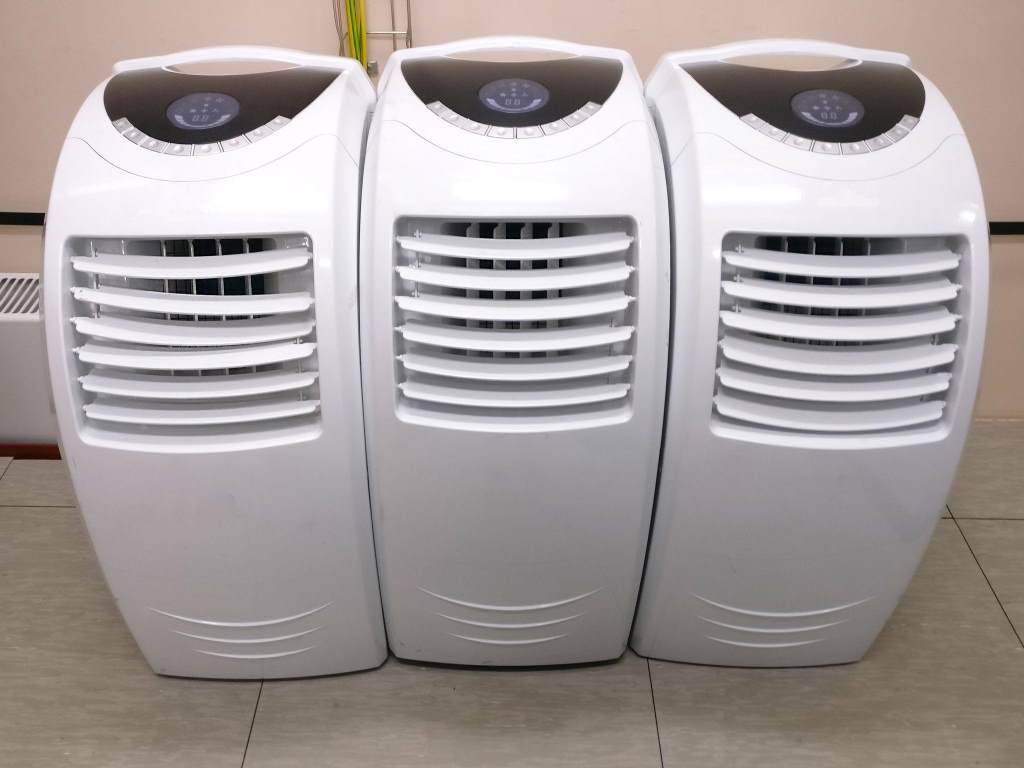
Portable Air Conditioners
Portable units offer flexibility. You can move them between rooms depending on your needs.
They are suitable for temporary setups or rented offices. However, they require proper venting through a window to function efficiently.
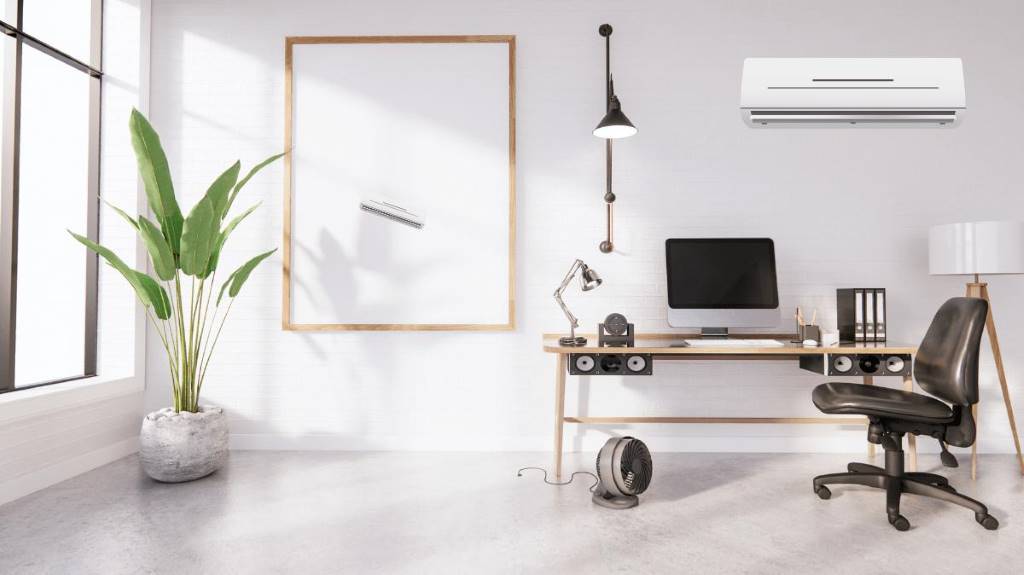
Split Air Conditioners
Split systems include an indoor unit and an outdoor compressor. They provide powerful cooling without taking up window space.
They are perfect for small offices that need consistent and quiet performance. Although installation requires planning, the long term benefits are significant.
Ductless Mini Split Systems
These systems offer advanced control and high efficiency. They allow you to cool specific zones without installing ducts.
They are ideal for offices with multiple small rooms. Additionally, they operate quietly and provide precise temperature control.
Key Factors to Consider Before Buying
Room Size and Cooling Capacity
First, measure your office space. Cooling capacity is usually measured in BTUs.
A unit that is too small will struggle to cool the room. On the other hand, an oversized unit will cycle on and off too quickly, reducing efficiency.
As a general guide:
- 150 to 250 sq ft needs around 6,000 BTUs
- 250 to 350 sq ft needs around 8,000 BTUs
- 350 to 450 sq ft needs around 10,000 BTUs
Energy Efficiency Rating
Look for units with a high Energy Efficiency Ratio or ENERGY STAR certification.
Efficient units consume less power while delivering better performance. Over time, this reduces electricity bills and environmental impact.
Noise Level
Noise matters in an office environment. Loud units can disrupt meetings and concentration.
Therefore, choose an air conditioner with a low decibel rating. Split and ductless systems usually perform better in this area.
Installation Requirements
Some units require professional installation. Others are simple enough for DIY setup.
Consider your office layout before choosing. For example, a portable unit may be easier for flexible spaces, while a split system suits permanent setups.
Smart Features That Improve Efficiency
Programmable Thermostats
These allow you to set cooling schedules based on office hours.
As a result, the unit does not run unnecessarily when the office is empty.
Remote Control and App Integration
Modern systems often include smart controls.
You can adjust temperature settings remotely, which adds convenience and helps maintain optimal conditions.
Energy Saving Modes
Many air conditioners include eco modes.
These modes adjust cooling output automatically, reducing energy use without sacrificing comfort.
Placement Tips for Maximum Cooling
Proper placement can make a big difference in cooling efficiency. Even a powerful unit will underperform if installed incorrectly.
Follow these tips:
- Place the unit away from direct sunlight
- Ensure unobstructed airflow around the unit
- Avoid placing near heat generating equipment
- Install at an appropriate height for better air distribution
In addition, keep doors and windows closed while the unit is running. This helps maintain a stable indoor temperature.
Maintenance Tips for Long Term Performance
Regular maintenance keeps your air conditioner running efficiently. It also extends the lifespan of the unit.
Here are simple steps to follow:
- Clean or replace filters every month
- Check vents for dust and blockages
- Inspect drainage systems regularly
- Schedule professional servicing at least once a year
Neglecting maintenance can lead to reduced cooling performance and higher energy consumption.
Common Mistakes to Avoid
Choosing the wrong air conditioner often leads to frustration. However, you can avoid this by understanding common mistakes.
- Ignoring room size and BTU requirements
- Choosing based only on appearance
- Overlooking noise levels
- Skipping energy efficiency ratings
- Poor installation planning
Each of these mistakes can reduce comfort and increase operational costs.
Real World Example
A small marketing office in California struggled with uneven cooling. They used a single portable unit for a 400 sq ft space.
After switching to a ductless mini split system, they noticed immediate improvements. The temperature became consistent, noise levels dropped, and energy use decreased by nearly 20 percent within three months.
This example shows how the right choice can significantly improve both comfort and efficiency.
How to Match AC Type with Office Needs
Different offices require different solutions. Therefore, match the system to your specific needs.
- For single room offices: window or portable units work well
- For quiet environments: split systems are ideal
- For multiple rooms: ductless mini splits provide flexibility
- For temporary setups: portable units offer convenience
Choosing based on your actual usage ensures better performance and long term satisfaction.
Conclusion
Selecting the best small office air conditioners requires more than a quick decision. You need to consider room size, energy efficiency, noise levels, and installation requirements. When you align these factors with your office needs, you create a comfortable and productive environment.
Take time to evaluate your space and choose wisely. A well selected air conditioner will not only improve comfort but also support better work performance. Start by measuring your office and identifying your cooling priorities today.
FAQs
What size air conditioner is best for a small office?
The ideal size depends on the room area. For most small offices, units between 6,000 and 10,000 BTUs work well. Always match BTU capacity with square footage.
Are portable air conditioners good for offices?
Yes, they work well for temporary or flexible spaces. However, they may not provide the same efficiency as split systems for long term use.
How can I reduce energy consumption with my AC?
Use programmable thermostats, clean filters regularly, and choose energy efficient models. Also, avoid running the unit when the office is empty.
Which AC type is the quietest for office use?
Split and ductless mini split systems are usually the quietest. They separate the compressor from the indoor unit, reducing noise.
How often should I service my office air conditioner?
You should perform basic maintenance monthly and schedule professional servicing at least once a year for optimal performance.