
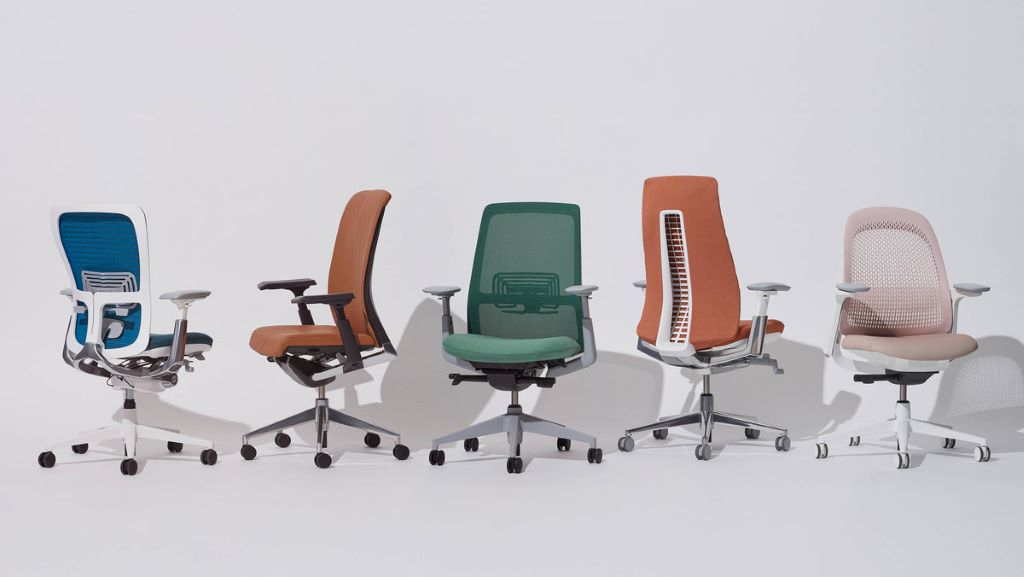
Spending long hours at a desk can take a toll on your back, leading to discomfort, pain, and even chronic issues. The right office chair can make all the difference, providing the support and comfort you need to stay productive and pain-free. Choosing the best office chair for back pain isn’t just about comfort—it’s about investing in your health and well-being.
I remember my first office job, where I sat in a cheap, unsupportive chair for eight hours a day. After just a few weeks, my back ached constantly. Switching to an ergonomic chair transformed my workday, reducing my pain and improving my posture. Let’s explore how you can find the perfect chair for your needs.
Why the Right Office Chair Matters
Back pain is one of the most common complaints among office workers. Poor posture, lack of support, and prolonged sitting can lead to muscle strain, spinal misalignment, and long-term discomfort. An ergonomic chair is designed to support your body’s natural posture, reducing the risk of pain and injury.
Research shows that ergonomic chairs can improve posture, reduce back pain, and even boost productivity. When your chair supports your spine, you’re less likely to slouch or strain your muscles, allowing you to focus on your work without distraction.
Key Features to Look for in an Office Chair for Back Pain Relief
1. Lumbar Support
Lumbar support is the most critical feature for back pain relief. A good office chair should support the natural curve of your lower spine, preventing slouching and reducing pressure on your lumbar region. Look for chairs with adjustable lumbar support, so you can customize the fit to your body.
Some chairs offer built-in lumbar cushions or adjustable pads, while others allow you to move the backrest up and down. Either way, proper lumbar support helps maintain the natural S-shape of your spine, reducing strain and discomfort.
2. Adjustable Seat Height and Depth
Your chair should allow you to adjust the seat height so your feet rest flat on the floor, with your knees at a 90-degree angle. This position promotes healthy circulation and reduces pressure on your lower back.
Seat depth is equally important. A seat that’s too deep can press against the back of your knees, while a seat that’s too shallow won’t support your thighs. Look for chairs with adjustable seat depth to ensure a comfortable fit.
3. Breathable, Supportive Material
The material of your chair affects both comfort and durability. Mesh chairs are popular for their breathability, keeping you cool during long hours of sitting. However, some people prefer cushioned seats for extra comfort.
Choose a chair with high-quality padding that doesn’t sag over time. The material should provide enough support without being too firm or too soft.
4. Armrests for Shoulder and Neck Relief
Armrests help reduce strain on your shoulders and neck by supporting your arms. Adjustable armrests allow you to position them at a height that keeps your elbows at a 90-degree angle, preventing tension in your upper body.
Look for armrests that can be moved up, down, or sideways to fit your body and desk setup. Some chairs even offer pivoting armrests for added flexibility.
5. Swivel and Casters for Mobility
A chair that swivels and has smooth-rolling casters allows you to move freely without straining. This mobility helps you reach different areas of your desk without twisting your spine, reducing the risk of injury.
Ensure the casters are suitable for your flooring type—soft casters for hard floors and locking casters for carpets.
Personal Experience: Finding Relief with the Right Chair
For years, I struggled with chronic back pain from sitting at a desk all day. My old chair offered no support, and I often found myself slouching or shifting uncomfortably. After researching ergonomic options, I invested in a chair with adjustable lumbar support and a breathable mesh back. The difference was immediate. My back pain decreased, my posture improved, and I felt more energized throughout the day. This experience taught me that the right chair is an investment in both comfort and long-term health.
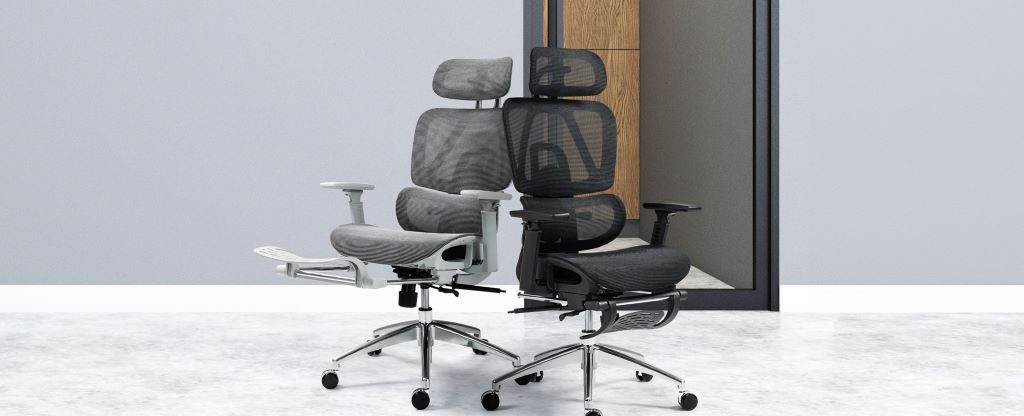
Types of Office Chairs for Back Pain Relief
1. Ergonomic Chairs
Ergonomic chairs are designed to support your body’s natural posture. They typically feature adjustable lumbar support, seat height, armrests, and backrests. These chairs are ideal for anyone who spends long hours at a desk and wants to prevent or alleviate back pain.
2. Kneeling Chairs
Kneeling chairs encourage an open hip angle, which can reduce pressure on your lower back. They’re not for everyone, but many people find them helpful for improving posture and reducing discomfort.
3. Executive Chairs
Executive chairs offer plush cushioning and high backrests for full-body support. They’re often made from leather or high-quality fabric and are ideal for those who want a blend of comfort and style.
4. Task Chairs
Task chairs are lightweight and designed for short-term use. While they’re not as supportive as ergonomic chairs, some models offer basic adjustments for seat height and backrest angle.
How to Choose the Best Office Chair for Your Needs
1. Assess Your Workspace
Consider the size of your desk and the space around it. Ensure your chair fits comfortably under your desk and allows for easy movement. Measure your workspace to avoid buying a chair that’s too large or too small.
2. Identify Your Pain Points
Think about where you experience the most discomfort. If your lower back hurts, prioritize lumbar support. If your shoulders ache, look for adjustable armrests. Understanding your specific needs will help you choose the right chair.
3. Test Before You Buy
If possible, test chairs in person to see how they feel. Sit in the chair for at least 10–15 minutes to assess comfort and support. Pay attention to how your body feels and whether the chair encourages good posture.
4. Read Reviews and Research Brands
Look for chairs with positive reviews from people who have similar needs. Research brands known for quality and durability, and consider warranties or return policies in case the chair doesn’t meet your expectations.
FAQs About Office Chairs for Back Pain Relief
What’s the best type of chair for lower back pain?
An ergonomic chair with adjustable lumbar support is ideal for lower back pain. Look for chairs that allow you to customize the lumbar cushion to fit your spine’s natural curve.
How often should I adjust my chair?
Adjust your chair whenever you feel discomfort or notice yourself slouching. It’s also a good idea to readjust if you change tasks or shift positions frequently.
Can a good office chair prevent back pain?
While no chair can guarantee the prevention of back pain, an ergonomic chair can significantly reduce the risk by promoting good posture and supporting your spine.
Are mesh chairs better than cushioned chairs?
Mesh chairs offer breathability and flexibility, which can be great for airflow and support. Cushioned chairs provide extra comfort but may not offer the same level of breathability. Choose based on your personal preference and needs.
How much should I spend on an office chair?
Invest in the best chair you can afford, as it’s an investment in your health. Quality ergonomic chairs typically range from $200 to $1,000, depending on features and brand.
Conclusion
Choosing the best office chair for back pain relief is about finding a balance between support, comfort, and adjustability. By focusing on lumbar support, seat height, and material quality, you can create a workspace that promotes good posture and reduces discomfort.
Ready to upgrade your office chair? Share your favorite tips or experiences in the comments below, or pass this guide along to someone who needs it!