
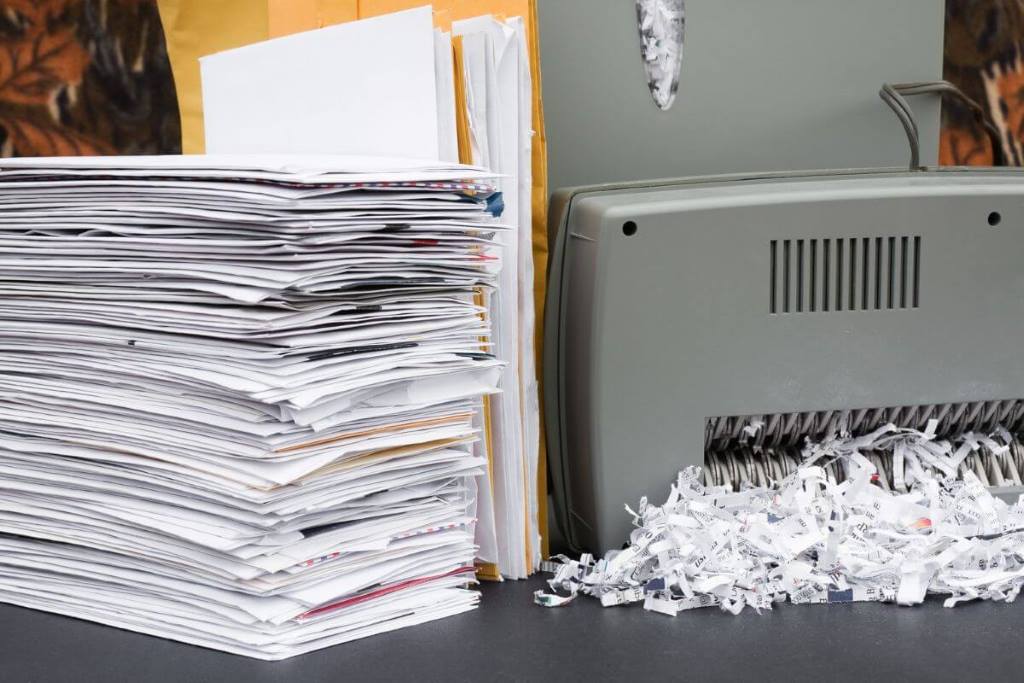
Ever wondered if that pile of shredded confidential paper in your office could find a new life in your compost bin? As someone who’s spent years sorting through sensitive documents and nurturing a backyard compost, I’ve faced this dilemma firsthand. Composting shredded confidential paper seems like a sustainable way to reduce waste, but is it safe and effective? This question touches on eco-friendly waste management, data security, and the science of composting. According to the Environmental Protection Agency (EPA), composting diverts 30% of household waste from landfills. However, not all paper is created equal. In this blog, we’ll explore whether shredded confidential documents can join your compost pile, how to do it safely, and why it matters for the planet. Let’s dive into the journey of turning sensitive scraps into nutrient-rich soil.
Understanding Shredded Confidential Paper Composition
Shredded confidential paper often includes documents like bank statements or contracts. Most are made from standard office paper, which is cellulose-based and biodegradable. However, some contain inks, coatings, or adhesives that complicate composting. For instance, glossy paper or documents with plastic lamination aren’t compost-friendly. A 2019 study by the University of Wisconsin found that 85% of office paper is compostable if free of synthetic additives.
Yet, the shredding process matters. Cross-cut shredders create smaller pieces, decomposing faster than strip-cut ones. My own experience taught me this when I tossed strip-cut paper into my bin, only to find it clumped months later. Always check for non-paper elements like staples or tape. Removing these ensures your compost remains organic and safe. Understanding paper composition helps you decide what’s compostable and what’s not, protecting both your garden and sensitive information.
Is Composting Shredded Paper Environmentally Safe?
Composting shredded confidential paper can reduce landfill waste, but is it safe for the environment? Paper decomposes into carbon, a key compost ingredient. However, inks and chemicals raise concerns. The EPA states that modern printer inks are mostly water-based and non-toxic, but older documents may have heavy metal-based inks. These can harm soil microbes if composted in large quantities.
In my backyard, I’ve composted small batches of shredded paper without issues, mixing them with green waste like vegetable scraps. This balances the carbon-nitrogen ratio, crucial for decomposition. A 2021 report by Cornell University suggests a 30:1 carbon-to-nitrogen ratio for optimal composting. Shredded paper provides carbon, but too much can slow the process. Moderation and mixing are key. By composting carefully, you contribute to a circular economy, reducing waste while enriching soil.

Security Concerns with Composting Confidential Documents
Composting shredded confidential paper raises a big question: is your data safe? Even cross-cut shreds can be pieced together if not fully decomposed. I learned this the hard way when I found legible scraps in my compost after a rainy season. To mitigate risks, mix shredded paper thoroughly with wet organic matter to speed breakdown.
The Federal Trade Commission recommends shredding documents to at least Level P-4 security (cross-cut, small particles) before composting. This ensures data is unreadable. Additionally, turning your compost regularly aerates it, accelerating decomposition. For extra security, consider burning sensitive documents first, then composting the ash in small amounts. This approach balances eco-friendliness with privacy, ensuring your confidential paper doesn’t compromise your personal information while still benefiting the environment.
How to Compost Shredded Paper Effectively
Ready to compost your shredded confidential paper? Start by ensuring it’s free of plastic, tape, or staples. Mix it with green materials like grass clippings or food scraps to balance carbon and nitrogen. A 2020 study by the University of California found that a 2:1 ratio of brown (paper) to green materials speeds decomposition.
In my compost bin, I layer shredded paper thinly to avoid clumping, turning the pile weekly for aeration. Keep the pile moist, like a wrung-out sponge, to aid breakdown. Avoid overloading with paper, as it can mat and slow the process. If you’re new to composting, try a small batch first. Monitor for odors or pests, adjusting as needed. For more tips, check the EPA’s composting guide. With care, your shredded paper can transform into rich compost.
Benefits of Composting Shredded Paper
Composting shredded confidential paper offers multiple benefits. It reduces landfill waste, cutting methane emissions. The EPA reports that organic waste in landfills contributes 14% of U.S. methane emissions. Composting also enriches soil, improving plant growth without chemical fertilizers. In my garden, compost with shredded paper boosted my tomato yield noticeably.
Additionally, it’s cost-effective. Instead of paying for document disposal, you repurpose waste at home. It also promotes sustainability, aligning with zero-waste goals. However, balance is crucial—too much paper can disrupt compost balance. By composting thoughtfully, you contribute to a healthier planet while recycling sensitive documents safely. Share your composting journey in the comments to inspire others!
Common Mistakes to Avoid When Composting Paper
Composting shredded confidential paper isn’t foolproof. A common mistake is adding non-compostable materials like glossy paper or plastic-coated documents. These can contaminate your pile. I once added laminated sheets by mistake, pulling them out weeks later, undecomposed. Always sort carefully.
Another error is overloading with paper, upsetting the carbon-nitrogen balance. Cornell University advises against exceeding 30% paper in compost to prevent clumping. Failing to turn the pile regularly also slows decomposition, leaving readable shreds. Lastly, don’t ignore moisture levels—too dry, and decomposition stalls; too wet, and it smells. Check the USDA’s composting basics for guidance. Avoiding these pitfalls ensures your compost thrives and your data stays secure.
Conclusion
Composting shredded confidential paper is a practical, eco-friendly way to manage waste while protecting data. By understanding paper composition, ensuring security, and following proper composting techniques, you can turn sensitive documents into nutrient-rich soil. My journey from hesitant shredder to confident composter showed me the value of mixing paper with green waste and monitoring the pile. Research from the EPA and universities confirms composting’s environmental benefits, reducing landfill waste and enriching gardens. However, care is key—avoid non-compostable materials and maintain balance. Ready to try it? Start small, stay vigilant, and share your experience in the comments or on social media to inspire others. Together, we can make composting confidential paper a sustainable habit.
FAQs
Can all types of shredded paper be composted?
Only plain, non-glossy paper without plastic or coatings is safe. Remove staples and tape first.
How long does shredded paper take to decompose?
With proper mixing and moisture, it decomposes in 2–6 months, depending on shred size.
Is it safe to compost confidential paper at home?
Yes, if shredded to Level P-4 and mixed well to ensure complete decomposition.
Can composting paper affect soil quality?
Properly composted paper enriches soil; contaminated paper with inks or plastics may harm it.
What’s the best way to start composting paper?
Mix small amounts with green waste, keep moist, and turn regularly for aeration.