
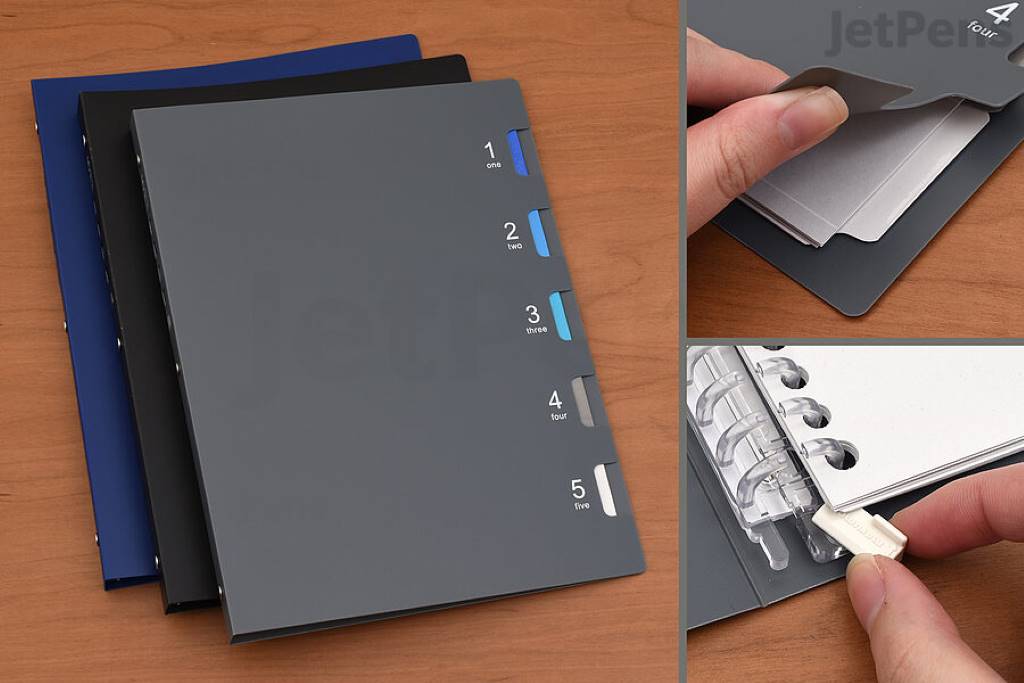
Imagine flipping through a binder filled with notes, its sturdy cover a testament to your commitment to the planet. I once stood in an office supply store, overwhelmed by rows of shiny plastic binders, knowing their environmental toll. Plastic binders, though durable, contribute to the 11 million metric tons of plastic entering our oceans annually, according to the Ocean Conservancy. This realization pushed me to explore eco-friendly alternatives to plastic binders that are sustainable, practical, and stylish. Whether you’re a student, professional, or eco-conscious organizer, switching to green options reduces waste and supports a healthier planet. In this post, we’ll dive into sustainable materials, their benefits, and practical tips for making the switch, all while weaving a story of mindful choices.
Why Plastic Binders Harm the Environment
Plastic binders, often made from polyvinyl chloride (PVC), pose significant environmental challenges. PVC is non-biodegradable, persisting in landfills for centuries. The production process releases harmful chemicals, contributing to air and water pollution. According to a 2021 study by the University of California, Berkeley, plastic production emits greenhouse gases equivalent to 600 coal-fired power plants annually. Additionally, discarded binders add to the 31 million tons of plastic waste generated yearly in the U.S., as noted by the EPA.
This waste often ends up in oceans, harming marine life. My own experience tossing out a cracked plastic binder made me question its lifecycle. Choosing eco-friendly alternatives to plastic binders reduces this footprint, aligning with sustainable practices. By opting for greener options, you help curb pollution and support a circular economy, where materials are reused rather than discarded.
Sustainable Materials for Eco-Friendly Binders
Switching to eco-friendly alternatives to plastic binders means embracing materials like recycled paperboard, bamboo, and bioplastics. Recycled paperboard, made from post-consumer waste, is biodegradable and reduces deforestation. Companies like Naked Binder use 97% post-consumer recycled content, creating durable, recyclable binders. Bamboo, a fast-growing plant, is another excellent choice. It regenerates in 3-5 years without pesticides, per the FAO, making it a sustainable option for binder covers.
Bioplastics, such as PLA from corn starch, offer a compostable alternative. However, they require industrial composting facilities, which may not be widely available. I once crafted a DIY binder from recycled cardboard, decorating it with fabric scraps. It was both functional and a creative statement. These materials not only reduce waste but also appeal to eco-conscious consumers, making them practical for schools and offices.
Top Sustainable Binder Materials
- Recycled Paperboard: 100% recyclable, biodegradable, made from post-consumer waste.
- Bamboo: Fast-growing, biodegradable, requires no pesticides.
- Bioplastics (PLA): Compostable in industrial facilities, reduces oil dependency.
Benefits of Choosing Green Binders
Eco-friendly alternatives to plastic binders offer multiple advantages beyond environmental impact. They reduce reliance on fossil fuels, as bamboo and paperboard require less energy to produce than PVC. A 2023 report by the Australian COS notes that bioplastics like PLA have a 60% lower carbon footprint than traditional plastics. Additionally, these binders are often customizable, adding an aesthetic appeal for personal or professional use.
Moreover, green binders promote healthier indoor environments. Unlike PVC, which can off-gas chemicals, materials like recycled paperboard are non-toxic. I noticed a difference when I switched to a chipboard binder at work; it felt safer and more aligned with my values. These options also encourage creativity, as kids or professionals can decorate them, fostering a sense of ownership while reducing waste.
How to Transition to Eco-Friendly Binders

Making the switch to eco-friendly alternatives to plastic binders is easier than you think. Start by assessing your needs—how many binders do you use, and for what purpose? For students, a few durable, reusable binders may suffice. Professionals might opt for custom-printed paperboard binders for presentations. Next, source sustainable options from brands like Eco-Binder or Naked Binder, available online or at eco-conscious retailers.
Consider upcycling existing materials. I once repurposed an old shoebox into a binder, binding papers with twine. It was a fun, cost-effective project. Additionally, check for local recycling programs to dispose of old plastic binders responsibly. Transition gradually to avoid waste, replacing one binder at a time. This approach minimizes disruption while aligning with sustainable goals, ensuring you make a meaningful impact.
Steps to Switch to Green Binders
- Assess your binder usage and needs.
- Research sustainable brands and materials.
- Upcycle or recycle old plastic binders.
- Transition gradually to eco-friendly options.
Challenges and Solutions in Adopting Green Binders
Adopting eco-friendly alternatives to plastic binders comes with challenges. Availability can be an issue, as not all stores stock sustainable options. Online retailers like Binding101 offer chipboard binders, but shipping may increase costs. Another hurdle is durability; paperboard binders may wear faster than plastic ones. However, choosing rigid chipboard or bamboo ensures longevity, as noted by Binding101’s product specs.
Cost is another concern, as eco-friendly binders can be pricier upfront. Yet, their durability and reusability save money over time. I faced this when I hesitated to buy a bamboo binder due to its cost but found it lasted years longer than plastic ones. To overcome these challenges, research local suppliers, buy in bulk for discounts, and educate others about the long-term benefits of sustainable choices.
Real-World Impact of Sustainable Choices
Choosing eco-friendly alternatives to plastic binders has a tangible impact. By reducing plastic use, you help divert waste from landfills and oceans. The EPA estimates that recycling one ton of paper saves 17 trees and 7,000 gallons of water. Using recycled paperboard binders directly supports this. Moreover, sustainable choices influence others. When I brought a bamboo binder to a meeting, colleagues asked about it, sparking conversations about green alternatives.
Businesses adopting these binders also see benefits. Companies like McDonald’s, which pledged 100% renewable packaging by 2025, show how collective action scales impact. By choosing green binders, you contribute to a broader movement, encouraging manufacturers to prioritize sustainability. This ripple effect starts with small, intentional choices, making a difference for the planet and future generations.
DIY Eco-Friendly Binder Ideas
Creating your own eco-friendly alternatives to plastic binders is both fun and sustainable. Use recycled cardboard from old boxes, cut to size, and punch holes for rings or twine. Decorate with fabric scraps or biodegradable paint for a personal touch. I made one for my daughter’s school notes, and she loved customizing it with drawings. This project not only saved money but also taught her about sustainability.
Another idea is to repurpose old books or magazines, using their covers as binder material. You can also use hemp or cotton fabric for a flexible, durable cover. These DIY options reduce waste and let you express creativity. Online tutorials, like those on Going Zero Waste, offer step-by-step guides for crafting eco-friendly school supplies, making it easy to start.
DIY Binder Project Steps
- Gather Materials: Collect cardboard, twine, or fabric scraps.
- Cut and Assemble: Shape cardboard, punch holes, and secure with rings or twine.
- Decorate: Use eco-friendly paint or fabric for customization.
Conclusion
Switching to eco-friendly alternatives to plastic binders is a small step with a big impact. By choosing materials like recycled paperboard or bamboo, you reduce plastic waste, lower your carbon footprint, and inspire others to follow suit. My journey from plastic to sustainable binders showed me how easy and rewarding this change can be. Each choice you make supports a healthier planet, from saving trees to protecting oceans. Start today by exploring brands like Naked Binder or trying a DIY project. Share your experiences or tips in the comments below, or spread this article to encourage others to go green. Together, we can build a more sustainable future, one binder at a time.
FAQs
Why are plastic binders bad for the environment?
Plastic binders, often made from PVC, are non-biodegradable and contribute to landfill waste and ocean pollution. Their production emits greenhouse gases, harming the environment.
What are the best materials for eco-friendly binders?
Recycled paperboard, bamboo, and bioplastics like PLA are sustainable choices. They’re biodegradable, reduce waste, and require less energy to produce than plastic.
Are eco-friendly binders as durable as plastic ones?
Yes, materials like rigid chipboard and bamboo are durable and long-lasting. Proper care ensures they withstand daily use, often outlasting plastic binders.
Where can I find eco-friendly binders?
Online retailers like Binding101 and Naked Binder offer sustainable binders. Local eco-conscious stores or office supply shops may also stock them.
How can I make my own eco-friendly binder?
Use recycled cardboard or fabric scraps, cut to size, and secure with twine or rings. Decorate with biodegradable paint for a personalized touch.