
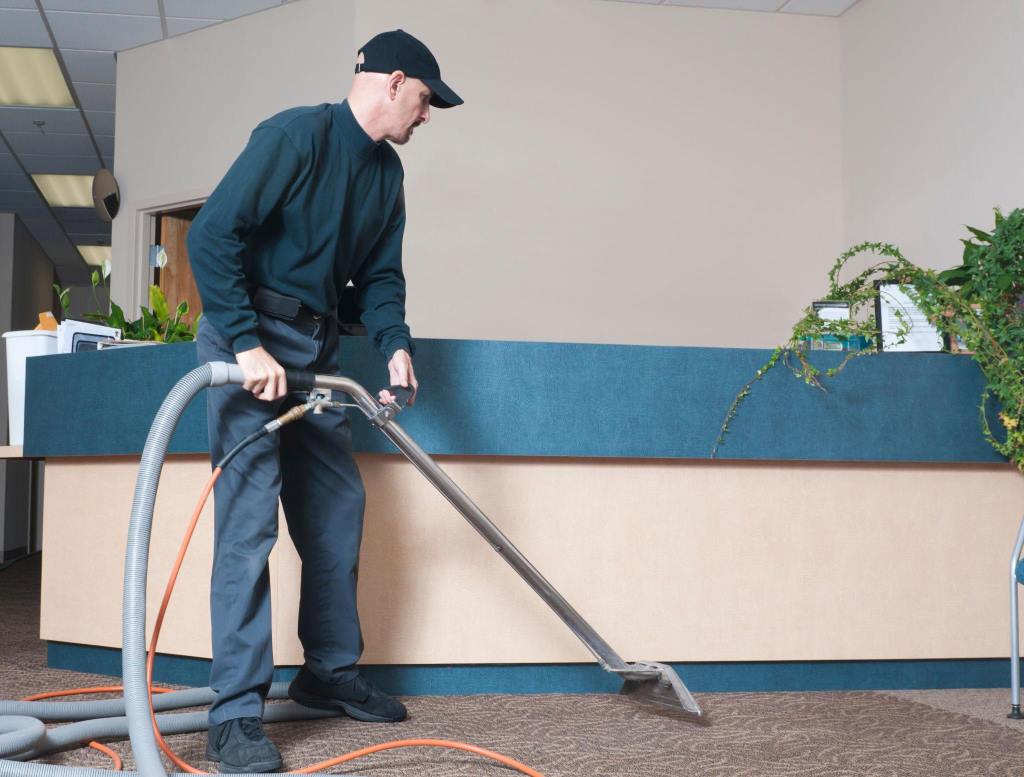
Keeping a commercial office clean is not just about appearance. It directly affects employee health, productivity, and brand image. According to the U.S. Environmental Protection Agency, indoor air can be up to five times more polluted than outdoor air. Meanwhile, a study by ISSA shows that clean workplaces can improve employee productivity by up to 12 percent. That makes choosing the right commercial office vacuum cleaner a critical decision, not a simple purchase. In this guide, you will learn how to select the best machine for efficient cleaning, long term performance, and healthier indoor spaces.
Why the Right Vacuum Cleaner Matters
A commercial office environment deals with high foot traffic every day. Dust, allergens, and debris build up quickly. Therefore, using a household vacuum is not enough. A commercial grade vacuum offers stronger suction, better filtration, and longer durability.
More importantly, the right machine saves time. Cleaning staff can cover more area faster. In addition, it reduces maintenance issues and ensures consistent cleaning quality.
Key Benefits
- Improved indoor air quality
- Faster cleaning with better coverage
- Reduced strain on cleaning staff
- Longer equipment lifespan
- Consistent professional results
Understanding Different Types of Commercial Vacuum Cleaners
Before choosing, you need to understand the main categories. Each type serves a different purpose depending on the office layout and cleaning needs.
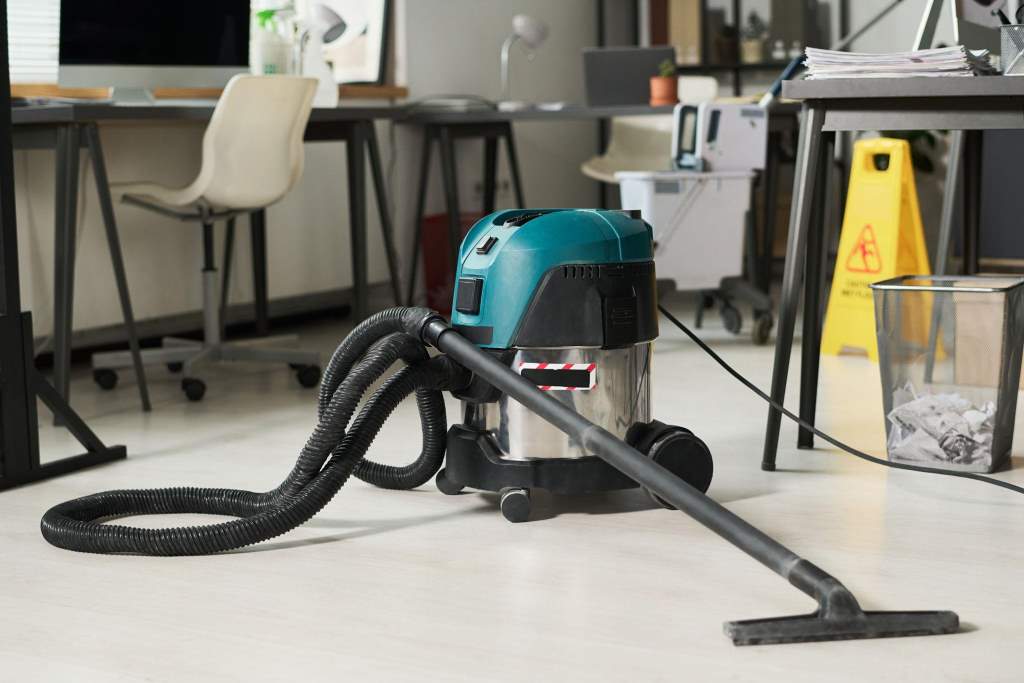
Upright Vacuum Cleaners
These are common in offices with large carpeted areas. They combine power and ease of use.
Best for:
- Large carpeted spaces
- Open office layouts
Advantages:
- Strong suction power
- Wide cleaning path
- Easy storage
Canister Vacuum Cleaners
These offer flexibility and reach. They work well in offices with mixed surfaces.
Best for:
- Hard floors and carpets
- Tight spaces and corners
Advantages:
- Lightweight handling
- Better maneuverability
- Quiet operation
Backpack Vacuum Cleaners
These are designed for mobility and efficiency. Cleaners wear them while working.
Best for:
- Large areas with obstacles
- Offices with many desks and furniture
Advantages:
- High productivity
- Reduced cleaning time
- Less fatigue for staff
Robotic Vacuum Cleaners
Automation is growing in commercial cleaning. These machines work independently.
Best for:
- Routine maintenance cleaning
- Offices with predictable layouts
Advantages:
- Hands free operation
- Consistent cleaning schedule
- Saves labor time
Key Factors to Consider Before Buying
1. Floor Type Compatibility
Different offices have different flooring. Some areas may have carpets, while others use tiles or hardwood.
Choose a vacuum that supports:
- Carpet cleaning with strong suction
- Hard floor cleaning without scratching
- Multi surface adaptability
2. Suction Power and Performance
Strong suction ensures deep cleaning. It removes dirt, dust, and allergens effectively.
Look for:
- High airflow performance
- Adjustable suction settings
- Consistent power output
3. Filtration System
Air quality matters in offices. A good filtration system traps fine particles.
HEPA filtration is highly recommended. It captures up to 99.97 percent of particles as small as 0.3 microns.
4. Noise Level
Offices require a quiet environment. Loud machines can disturb employees.
Choose vacuums designed for low noise operation. Many commercial models operate below 70 decibels.
5. Durability and Build Quality
Commercial vacuums face heavy use. Durable materials ensure long term performance.
Check for:
- High quality components
- Strong motor design
- Reliable construction
6. Ease of Use
Cleaning staff should operate the machine easily.
Important features include:
- Lightweight design
- Ergonomic handles
- Simple controls
Corded vs Cordless Vacuum Cleaners
Corded Models
These provide continuous power. They are ideal for long cleaning sessions.
Pros:
- Unlimited runtime
- Consistent performance
Cons:
- Limited mobility
- Cable management required
Cordless Models
These offer flexibility and convenience.
Pros:
- Easy movement
- No cables
Cons:
- Limited battery life
- Requires charging
Your choice depends on office size and cleaning schedule.
Essential Features That Improve Efficiency
Wide Cleaning Path
A wider head covers more area in less time. This is useful in large offices.
Adjustable Height Settings
Different carpet types need different heights. Adjustable settings improve cleaning performance.
Attachments and Accessories
Useful tools include:
- Crevice tools for corners
- Upholstery brushes for furniture
- Extension wands for high areas
Large Dust Capacity
A bigger dust container reduces the need for frequent emptying. This improves workflow.
Matching the Vacuum to Office Size
Small Offices
Compact and lightweight vacuums work best. They are easy to store and handle.
Medium Offices
Choose versatile models that handle multiple surfaces. Canister or upright models are ideal.
Large Offices
High performance machines like backpack vacuums improve efficiency. They reduce cleaning time significantly.
Energy Efficiency and Sustainability
Modern offices focus on sustainability. Energy efficient vacuums reduce electricity use.
Look for:
- Energy saving motors
- Eco friendly design
- Reduced noise pollution
Using efficient equipment supports environmental goals and reduces operational impact.
Maintenance Requirements
Regular maintenance ensures long term performance.
Key Maintenance Tips
- Clean filters regularly
- Empty dust containers frequently
- Check brushes and belts
- Inspect power cords
Proper care prevents breakdowns and extends the machine’s life.
Common Mistakes to Avoid
Ignoring Office Needs
Every office is different. Choosing a generic vacuum can lead to poor results.
Overlooking Filtration
Poor filtration reduces air quality. This affects employee health.
Choosing Based Only on Size
A compact vacuum may not deliver enough power for large areas.
Skipping Staff Training
Even the best vacuum performs poorly if used incorrectly.
A mid sized corporate office switched from standard vacuums to backpack models. Cleaning time dropped by 30 percent. Employee complaints about noise also decreased. This simple upgrade improved both efficiency and workplace comfort.
How to Make the Final Decision
Follow this step by step approach:
- Evaluate office size and layout
- Identify floor types
- Set performance expectations
- Compare vacuum types
- Check features and usability
- Review maintenance needs
This structured method ensures a smart and practical choice.
Conclusion
Choosing the right commercial office vacuum cleaner is a strategic decision. It impacts cleaning efficiency, employee health, and overall workplace experience. By understanding your office needs, comparing vacuum types, and focusing on key features, you can select a machine that delivers reliable results. Take time to evaluate your options carefully. The right choice will save time, improve cleanliness, and create a healthier work environment. Start assessing your office today and upgrade your cleaning approach with confidence.
FAQs
What is the best type of vacuum for offices with mixed flooring?
A canister vacuum works best for mixed flooring. It handles both carpets and hard floors efficiently.
Why is HEPA filtration important in office vacuums?
HEPA filters trap fine dust and allergens. This improves indoor air quality and supports employee health.
How often should a commercial vacuum be maintained?
Basic maintenance should happen weekly. Deep cleaning and inspection should occur monthly.
Are robotic vacuums suitable for offices?
Yes, they are useful for routine cleaning. However, they work best alongside manual cleaning methods.
What features improve cleaning efficiency the most?
Strong suction, wide cleaning path, and useful attachments significantly improve efficiency.