
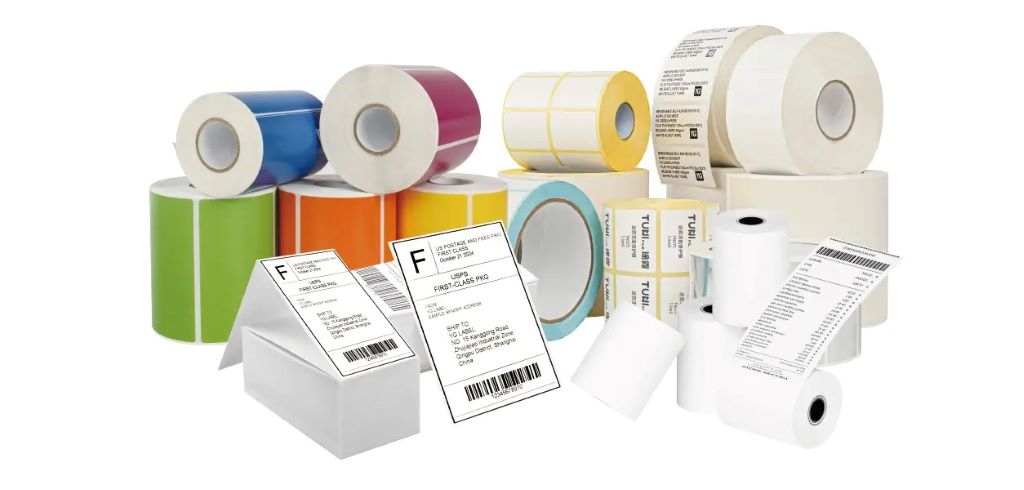
Choosing the right thermal label tape can make the difference between a smooth, professional operation and a frustrating, wasteful one. I learned this lesson the hard way when I first started using a thermal label maker for my small business. Excited to organize my inventory, I grabbed the cheapest label tape I could find. Within weeks, the labels were fading, peeling off, and jamming the printer. It was a costly mistake that taught me the importance of selecting the right tape for the job. The right thermal label tape ensures durability, clarity, and efficiency, whether you’re labeling products, files, or shipping packages.
Thermal label tapes come in various materials, adhesives, and sizes, each suited to different environments and applications. If you’re unsure where to start, a reliable label tape guide can help you navigate the options and find the perfect match for your needs. The right tape can save you time, money, and headaches in the long run.
Why the Right Thermal Label Tape Matters
Thermal label tapes are designed to work with thermal printers, which use heat to create images on the tape. Unlike traditional ink-based printing, thermal printing doesn’t require ink or toner, making it a cost-effective and low-maintenance solution. However, not all thermal tapes are created equal. The type of tape you choose can impact the durability, legibility, and longevity of your labels.
According to a report by MarketsandMarkets, the global thermal printing market is projected to grow at a compound annual growth rate of 4.5% from 2021 to 2026, driven by the increasing demand for efficient and reliable labeling solutions. This growth highlights the importance of choosing the right thermal label tape to meet the needs of various industries, from retail and logistics to healthcare and manufacturing.
Additionally, the right thermal label tape can improve the efficiency of your workflows. For example, using a tape that’s resistant to water, heat, or chemicals can prevent labels from fading or peeling off in harsh environments. This ensures that your labels remain legible and intact, reducing the need for reprinting and saving you time and resources.
Types of Thermal Label Tapes: Which One Is Right for You?
Thermal label tapes come in different types, each designed for specific applications. Understanding the differences between them can help you choose the right tape for your needs.
1. Direct Thermal Tapes
Direct thermal tapes are the most common type of thermal label tape. They use heat-sensitive paper that darkens when exposed to the heat from the thermal print head. This type of tape is ideal for short-term labeling, such as shipping labels, receipts, or temporary identification tags.
Direct thermal tapes are cost-effective and easy to use, as they don’t require ink or ribbons. However, they are not as durable as other types of thermal tapes. Direct thermal labels can fade over time, especially when exposed to heat, light, or moisture. For this reason, they are best suited for indoor or short-term applications.
2. Thermal Transfer Tapes
Thermal transfer tapes use a ribbon to transfer ink onto the label material. This process creates more durable and long-lasting labels compared to direct thermal tapes. Thermal transfer tapes are ideal for applications that require resistance to heat, moisture, chemicals, or abrasion.
Thermal transfer tapes come in a variety of materials, including paper, polyester, and polypropylene. Each material has its own advantages and is suited to different environments. For example, polyester tapes are highly durable and resistant to extreme temperatures, making them ideal for outdoor or industrial use.
3. Paper-Based Thermal Tapes
Paper-based thermal tapes are the most affordable and widely used type of thermal label tape. They are ideal for general-purpose labeling, such as addressing envelopes, labeling files, or creating price tags. Paper-based tapes are easy to write on and can be printed with high-resolution text and graphics.
However, paper-based tapes are not as durable as other types of thermal tapes. They can be susceptible to water damage, tearing, and fading, especially in harsh environments. For this reason, they are best suited for indoor or short-term applications.
4. Polyester Thermal Tapes
Polyester thermal tapes are known for their durability and resistance to extreme conditions. They are ideal for applications that require long-lasting labels, such as asset tracking, inventory management, or outdoor labeling. Polyester tapes are resistant to water, chemicals, heat, and abrasion, making them suitable for harsh environments.
Additionally, polyester tapes offer excellent print quality and clarity, ensuring that your labels remain legible over time. They are also more resistant to fading and smudging compared to paper-based tapes.
5. Polypropylene Thermal Tapes
Polypropylene thermal tapes are a versatile and cost-effective option for a wide range of applications. They offer a balance between durability and affordability, making them ideal for both indoor and outdoor use. Polypropylene tapes are resistant to water, chemicals, and tearing, making them suitable for environments where labels may be exposed to moisture or rough handling.
Additionally, polypropylene tapes are flexible and conformable, allowing them to adhere to curved or uneven surfaces. This makes them ideal for labeling bottles, containers, or other irregularly shaped items.
Key Factors to Consider When Choosing Thermal Label Tape
When selecting a thermal label tape, there are several key factors to consider to ensure you choose the right one for your needs. Here’s what to keep in mind:
1. Material
The material of the thermal label tape is one of the most important factors to consider. As discussed earlier, different materials are suited to different environments and applications. Paper-based tapes are affordable and ideal for general-purpose labeling, while polyester and polypropylene tapes offer greater durability and resistance to harsh conditions.
Consider the environment where the labels will be used. For example, if the labels will be exposed to moisture, heat, or chemicals, opt for a durable material like polyester or polypropylene. If the labels are for indoor or short-term use, paper-based tapes may be sufficient.
2. Adhesive Strength
The adhesive strength of the thermal label tape is another critical factor. The adhesive determines how well the label will stick to the surface and how long it will remain in place. There are several types of adhesives to choose from, including:
- Permanent adhesives: Ideal for long-term labeling, as they provide a strong, lasting bond.
- Removable adhesives: Suitable for temporary labeling, as they can be easily removed without leaving residue.
- Freezer-grade adhesives: Designed for use in cold environments, such as freezers or refrigerators.
- High-tack adhesives: Offer a strong initial bond, making them ideal for rough or uneven surfaces.
Consider the surface where the labels will be applied. For example, if the labels will be applied to smooth, clean surfaces, a permanent adhesive may be sufficient. If the labels will be applied to rough or textured surfaces, a high-tack adhesive may be necessary.
3. Width and Length
Thermal label tapes come in a variety of widths and lengths to suit different labeling needs. Common widths range from 0.5 inches to 4 inches, while lengths can vary from a few feet to several yards. Consider the size of the labels you need to print and choose a tape that matches those dimensions.
Additionally, some thermal label tapes come in continuous rolls, allowing you to print labels of any length. This can be useful for applications that require custom label sizes, such as shipping labels or barcodes.
4. Color
Thermal label tapes are available in a variety of colors, allowing you to customize your labels to match your branding or organizational needs. While black text on a white label is the most common, you can also find tapes in colors like red, blue, green, or yellow.
Color-coding your labels can be a useful way to organize and categorize items. For example, you might use red labels for urgent items, blue labels for inventory, and green labels for completed tasks.
5. Print Quality
The print quality of the thermal label tape can impact the legibility and professionalism of your labels. Look for tapes that offer high-resolution printing, ensuring that text and graphics are clear and sharp.
Additionally, consider the contrast between the text and the label material. For example, black text on a white label offers the highest contrast and is the most legible. If you choose a colored tape, make sure the text color provides enough contrast for easy reading.
6. Durability
Durability is a key consideration, especially if your labels will be exposed to harsh environments. Look for tapes that are resistant to water, heat, chemicals, or abrasion, depending on your specific needs.
Additionally, consider the lifespan of the labels. Direct thermal labels may fade or darken over time, especially when exposed to heat or light. Thermal transfer labels, on the other hand, are more durable and long-lasting.
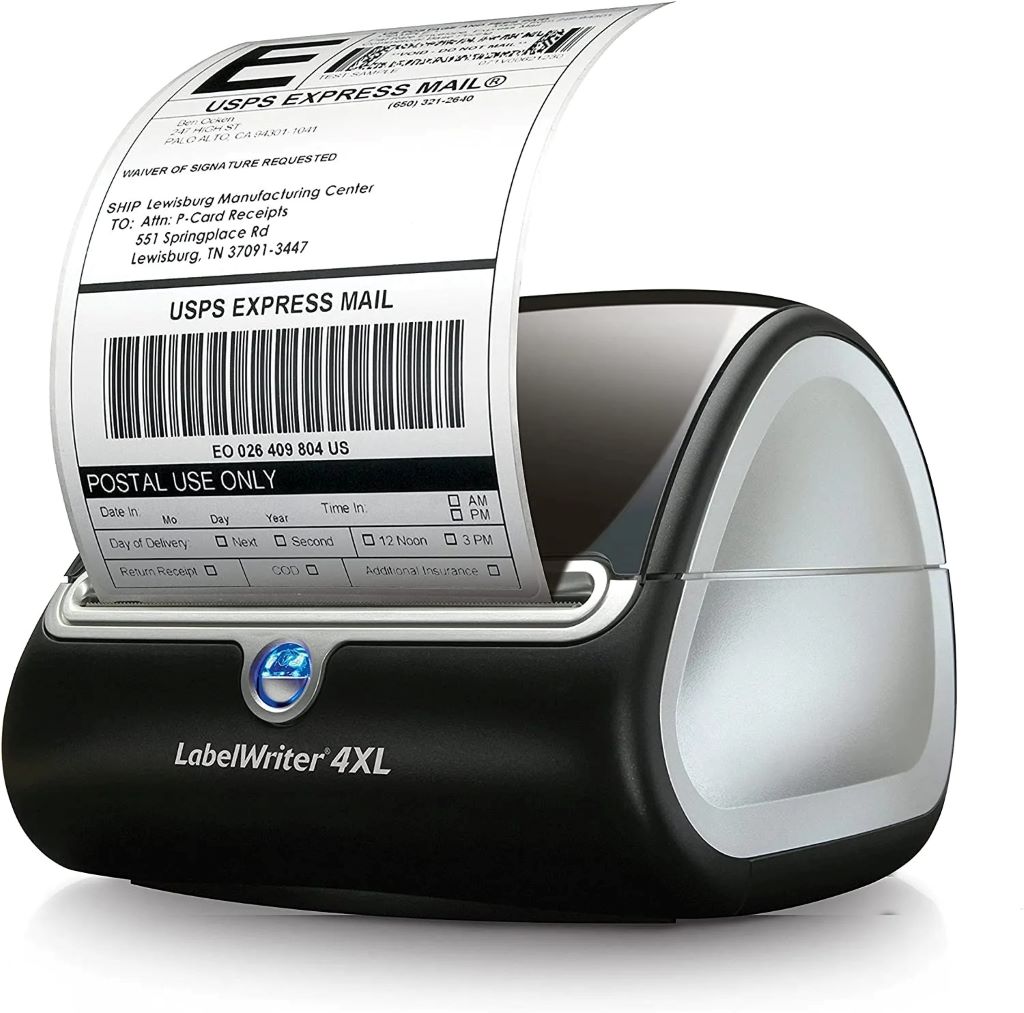
Common Applications for Thermal Label Tapes
Thermal label tapes are incredibly versatile and can be used in a wide range of applications. Here are some of the most common uses:
1. Shipping and Logistics
In the shipping and logistics industry, thermal label tapes are used to print shipping labels, barcodes, and packing slips. These labels need to be durable and legible to ensure that packages are delivered to the correct destination. Thermal transfer tapes are often used for shipping labels, as they offer greater durability and resistance to harsh conditions.
Additionally, thermal label tapes can be used to print address labels, return labels, or special handling instructions. This can help streamline the shipping process and reduce errors.
2. Inventory Management
Thermal label tapes are a valuable tool for inventory management. They can be used to label shelves, bins, and products, making it easier to track stock and locate items. Barcode labels, in particular, can be scanned to update inventory levels, retrieve product information, or track the movement of goods.
Additionally, thermal label tapes can be used to print price tags, product descriptions, or other important information. This can help improve the organization and efficiency of your inventory management processes.
3. Retail and Pricing
In retail environments, thermal label tapes are used to create price tags, product labels, and promotional signs. These labels need to be clear, legible, and durable to ensure that customers can easily read and understand the information.
Additionally, thermal label tapes can be used to print shelf talkers, which are small signs that highlight special offers, product features, or other important information. This can help drive sales and improve the shopping experience for your customers.
4. File and Document Organization
Thermal label tapes are also useful for organizing files and documents. By labeling file folders, binders, and storage boxes, you can create a more efficient and organized workspace. This makes it easier to locate important documents, reduce clutter, and improve productivity.
Additionally, thermal label tapes can be used to print labels for digital files, such as CDs, DVDs, or external hard drives. This can help you keep track of your digital assets and ensure they’re easily accessible when needed.
5. Healthcare and Laboratory
In healthcare and laboratory settings, thermal label tapes are used to label specimens, medications, and equipment. These labels need to be durable and resistant to moisture, chemicals, and extreme temperatures.
Additionally, thermal label tapes can be used to print patient information, test results, or other important data. This can help improve the accuracy and efficiency of healthcare and laboratory processes.
6. Manufacturing and Industrial
In manufacturing and industrial environments, thermal label tapes are used to label equipment, tools, and products. These labels need to be durable and resistant to heat, chemicals, and abrasion.
Additionally, thermal label tapes can be used to print warning labels, safety instructions, or other important information for your equipment and products. This can help improve safety, reduce downtime, and extend the lifespan of your assets.
Tips for Using Thermal Label Tapes Effectively
To get the most out of your thermal label tapes, follow these tips for effective use:
1. Choose the Right Tape for the Job
Selecting the right thermal label tape for your specific application is crucial. Consider the environment where the labels will be used, the surface they will be applied to, and the duration of the labeling. For example, use polyester tapes for outdoor or industrial applications, and paper-based tapes for indoor or short-term labeling.
2. Store Tapes Properly
Thermal label tapes should be stored in a cool, dry place to prevent damage or degradation. Avoid exposing the tapes to extreme temperatures, direct sunlight, or moisture, as these can affect the print quality and adhesive strength.
Additionally, store the tapes in their original packaging or a sealed container to protect them from dust and debris.
3. Use High-Quality Printers
The quality of your thermal label printer can impact the performance and longevity of your labels. Invest in a high-quality thermal printer that is compatible with the tapes you plan to use. Regularly clean and maintain the printer to ensure optimal performance.
Additionally, follow the manufacturer’s guidelines for loading and using the tapes to avoid jams or poor print quality.
4. Test Before Printing in Bulk
Before printing a large batch of labels, always do a test print to ensure the design and alignment are correct. This can help you avoid wasting tape and time on misaligned or incorrect labels.
Additionally, check the print quality of the test label. If the text is faded, blurry, or incomplete, it may be a sign that the print head needs cleaning or that the tape is not loaded correctly.
5. Apply Labels Correctly
To ensure strong adhesion, apply the labels to a clean, dry surface and press down firmly. Avoid applying labels to dusty, greasy, or uneven surfaces, as this can affect the adhesive strength.
Additionally, consider the temperature of the surface. If the surface is too cold, the adhesive may not bond properly. If the surface is too hot, the adhesive may become too soft and lose its grip.
Common Mistakes to Avoid When Using Thermal Label Tapes
Even with the best intentions, it’s easy to make mistakes when using thermal label tapes. Here are some common pitfalls to avoid:
1. Using the Wrong Type of Tape
Not all thermal label tapes are compatible with all thermal printers. Using the wrong type of tape can cause jams, poor print quality, or even damage the printer. Always check the manufacturer’s guidelines to ensure you’re using the correct tape for your printer.
Additionally, consider the environment where the labels will be used. For example, paper-based tapes may not be suitable for outdoor or moist environments, while polyester-based tapes may be overkill for indoor or temporary labeling.
2. Skipping the Test Print
Before printing a large batch of labels, always do a test print to ensure the design and alignment are correct. This can help you avoid wasting tape and time on misaligned or incorrect labels.
Additionally, check the print quality of the test label. If the text is faded, blurry, or incomplete, it may be a sign that the print head needs cleaning or that the tape is not loaded correctly.
3. Ignoring the Print Head
The print head is the heart of your thermal printer, and it’s important to take care of it. Avoid touching the print head with your fingers, as oils and dirt can transfer onto it and affect print quality. Additionally, clean the print head regularly to remove any residue or buildup.
If the print quality starts to decline, it may be a sign that the print head needs cleaning or replacement. Refer to the user manual for specific instructions on how to maintain the print head.
4. Overlooking Label Adhesion
The adhesion of your labels is just as important as the print quality. If the labels don’t stick properly, they can peel off or fall off over time. To ensure strong adhesion, apply the labels to a clean, dry surface and press down firmly.
Additionally, consider the type of adhesive on the label tape. Permanent adhesives are ideal for long-term labeling, while removable adhesives are better for temporary labels.
5. Not Storing Tapes Properly
Thermal label tapes can be affected by environmental factors like heat, moisture, and light. Improper storage can lead to degraded print quality, reduced adhesive strength, or even damage to the tape.
Always store your thermal label tapes in a cool, dry place, away from direct sunlight and extreme temperatures. Additionally, keep the tapes in their original packaging or a sealed container to protect them from dust and debris.
The Future of Thermal Label Tapes: Trends to Watch
Thermal label tapes are evolving rapidly, with new technologies and features emerging all the time. Here are some trends to watch in the coming years:
1. Eco-Friendly Materials
As environmental concerns grow, more manufacturers are turning to eco-friendly materials for their thermal label tapes. Expect to see more options made from recycled or biodegradable materials, as well as tapes that are free from harmful chemicals.
Additionally, some companies are developing reusable or removable label tapes that reduce waste and environmental impact.
2. Advanced Adhesives
Advancements in adhesive technology are making it possible to create thermal label tapes with stronger, more versatile adhesives. For example, some tapes now offer high-tack adhesives that provide a strong initial bond, even on rough or uneven surfaces.
Additionally, expect to see more tapes with specialized adhesives, such as freezer-grade or high-temperature adhesives, designed for specific environments and applications.
3. Improved Print Quality
Improvements in thermal printing technology are making it possible to create higher-quality, more durable labels. For example, some thermal label tapes now support higher print resolutions, ensuring that text and graphics are clear and sharp.
Additionally, advancements in thermal paper and ribbon technology are making labels more resistant to fading, smudging, and water damage.
4. Smart and Connected Labeling
In the future, thermal label tapes may integrate more seamlessly with smart labeling systems. For example, some label printers now offer wireless connectivity, allowing you to print labels directly from your smartphone, tablet, or computer.
Additionally, expect to see more label tapes that are compatible with cloud-based labeling software, making it easy to design, store, and print labels from anywhere.
5. Customization and Personalization
As consumers demand more personalized products, thermal label tapes are evolving to meet this need. Expect to see more options for custom colors, patterns, and finishes, allowing you to create truly unique and branded labels.
Additionally, some manufacturers are developing thermal label tapes that can be printed with photos, logos, or other graphics, opening up new possibilities for customization and personalization.
Conclusion
Choosing the right thermal label tape is essential for ensuring the success of your labeling projects. By understanding the different types of tapes, their applications, and the key factors to consider, you can select the perfect tape for your needs. Whether you’re labeling products, files, or shipping packages, the right thermal label tape can save you time, money, and headaches in the long run.
Remember, the best thermal label tape is the one that fits your specific needs and environment. Take your time, do your research, and don’t be afraid to experiment with different types and brands. With the right tape, you can create labels that are durable, legible, and professional-looking.
Have you used thermal label tapes for your business or personal projects? Share your tips, tricks, or favorite tapes in the comments below! If you found this article helpful, don’t forget to share it with your colleagues and friends. Happy labeling!
FAQs
What is the difference between direct thermal and thermal transfer tapes?
Direct thermal tapes use heat-sensitive paper that darkens when exposed to heat, making them ideal for short-term labeling. Thermal transfer tapes use a ribbon to transfer ink onto the label material, resulting in more durable and long-lasting labels.
Can thermal label tapes be used outdoors?
Yes, but you’ll need to use durable, weather-resistant tapes, such as polyester or polypropylene tapes. These tapes are resistant to water, heat, and UV exposure, making them suitable for outdoor use.
How do I store thermal label tapes properly?
Store thermal label tapes in a cool, dry place, away from direct sunlight and extreme temperatures. Keep the tapes in their original packaging or a sealed container to protect them from dust and debris.
Are thermal label tapes waterproof?
Not all thermal label tapes are waterproof, but some are water-resistant. Polyester and polypropylene tapes are more resistant to water and moisture than paper-based tapes. For outdoor or moist environments, opt for tapes specifically designed for water resistance.
How long do thermal labels last?
The lifespan of thermal labels depends on the type of tape and the environment. Direct thermal labels may fade or darken over time, especially when exposed to heat or light. Thermal transfer labels are more durable and can last for years, even in harsh conditions.