
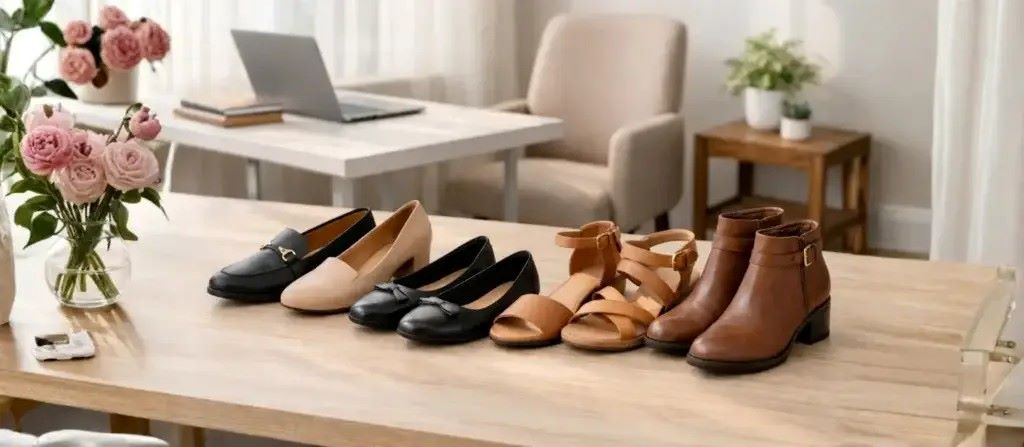
Every woman has faced that Monday morning dilemma: standing in front of her closet, staring at her shoes. She wants to look sharp. She also wants to survive an eight-hour workday without wincing. Finding that balance feels harder than it should. The good news is, it does not have to be.
Choosing the right office shoes is not just about fashion. It is about your health, your confidence, and your daily performance. The wrong pair can leave you with back pain, blisters, and a bad mood. The right pair can make you feel unstoppable before you even sit down at your desk.
When shopping for office shoes for women, most women focus only on looks. However, comfort should always come first. This guide will walk you through everything you need to know. From heel height to material to fit, you will find practical advice that actually works in the real world.
Why the Right Office Shoes Matter More Than You Think
Most people underestimate how much their shoes affect their body. According to the American Podiatric Medical Association, nearly 77% of Americans have experienced foot pain. Women are especially at risk. This is because many traditional work shoes prioritize style over support.
Poor footwear does not just hurt your feet. It affects your posture, your knees, and your lower back. Over time, it can lead to chronic conditions like plantar fasciitis or bunions. These are painful and expensive to treat.
Additionally, your shoes affect how you carry yourself at work. Studies in the field of occupational health suggest that physical comfort directly influences productivity and mood. When your feet hurt, your focus drops. You move less. You sit more. Your energy fades by mid-afternoon.
Therefore, choosing quality office shoes is an investment. It protects your body and supports your performance. Do not treat it as a small decision. It is one of the most important choices you make when getting dressed for work.
Understand Your Foot Type Before You Shop
Before you buy anything, you need to know your foot type. Not all feet are the same. Some people have flat arches. Others have high arches. Some feet are wide. Some are narrow. Buying shoes without knowing your foot type is like guessing your clothing size.
Here is a simple way to check your arch type at home:
- Wet your foot and step onto a piece of paper.
- Look at the imprint left behind.
- A full imprint means flat feet. A narrow imprint means high arches. A medium imprint means neutral arches.
Once you know your arch type, you can shop smarter. Women with flat feet need shoes with strong arch support and a firm midsole. Women with high arches need cushioning and flexibility. Neutral arches work well with most standard shoe designs.
Also, consider the width of your foot. Many brands offer wide-width options. Squeezing a wide foot into a narrow shoe causes bunions and blisters. Always try shoes on later in the day. Feet tend to swell slightly by evening. This gives you a more accurate fit.
Heel Height: Finding Your Sweet Spot
Heels are a classic part of professional women’s fashion. However, not all heel heights are created equal. The key is finding what works for your body and your job.
Here is a general guide by heel height:
- Flat shoes (0–1 inch): Best for long days on your feet. Ideal for healthcare, teaching, or retail.
- Low heels (1–2 inches): A great balance of comfort and style. Works for most office environments.
- Mid heels (2–3 inches): Classic and polished. Fine for desk jobs with limited walking.
- High heels (3+ inches): Stylish but hard on the body. Reserve these for short events or meetings.
According to research published in the Journal of Applied Biomechanics, heels above two inches significantly alter your posture and increase pressure on the forefoot. This can lead to long-term joint stress.
I learned this the hard way. Early in my career, I wore three-inch heels every day because I thought they looked more “professional.” After six months, I had persistent knee pain. My doctor pointed directly at my shoes. Switching to low-block heels changed everything. My pain faded within weeks, and I still looked put together.
The Best Shoe Styles for the Office
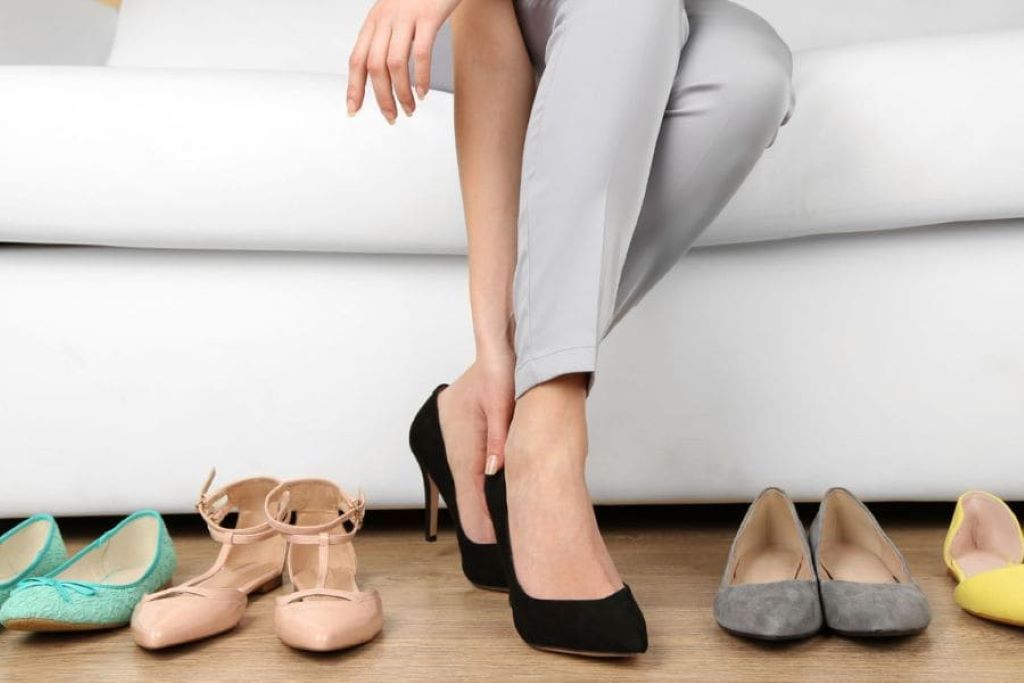
Now that you understand fit and heel height, let us look at the best styles for professional settings. There are many options beyond the classic pump.
Here are some top styles to consider:
- Block-heel pumps: Offer height with more stability than stilettos. Great for all-day wear.
- Loafers: Versatile and comfortable. Work with trousers, skirts, and dresses.
- Mary Janes: A strap adds support and keeps the shoe secure. Very comfortable for long days.
- Kitten heels: Low and elegant. A timeless choice for conservative offices.
- Chelsea boots: Perfect for cooler months. Stylish and supportive with a low heel.
- Pointed-toe flats: Sleek and modern. Easy to wear all day with the right insole.
Additionally, consider the dress code of your workplace. A creative agency may welcome bold styles. A law firm may call for something more classic. When in doubt, choose neutral colors like black, nude, navy, or tan. These work with almost any outfit.
Materials Matter: What to Look for in Office Shoes
The material of your shoe affects both comfort and durability. Many budget shoes use synthetic materials that look fine but wear out fast. They also do not breathe well, which leads to sweating and discomfort.
Here is what to look for:
- Leather: The gold standard. Breathable, durable, and molds to your foot over time. Real leather lasts years with proper care.
- Suede: Soft and stylish. Less durable than leather but feels great on the foot.
- Mesh or fabric: Very breathable. Good for warmer climates but less formal in appearance.
- Synthetic materials: Often cheaper. Look for high-quality synthetics if you are on a budget.
Lining also matters. A leather or cushioned lining reduces friction and prevents blisters. Avoid shoes with hard plastic linings, especially around the heel area.
According to the American Academy of Orthopaedic Surgeons, shoes with good arch support, cushioned soles, and breathable materials significantly reduce foot fatigue throughout the day. Prioritize these features when you shop.
Insoles and Arch Support: The Hidden Comfort Factor
Even a beautifully made shoe can be uncomfortable without proper arch support. Many office shoes, especially flats and pumps, have minimal built-in support. The good news is, you can fix this.
Aftermarket insoles are a simple and affordable solution. Brands like Dr. Scholl’s and Superfeet offer insoles designed for professional shoes. These add cushioning and support without changing how the shoe looks.
Look for insoles that offer:
- Arch support matched to your foot type
- Heel cushioning to reduce impact
- Metatarsal pads for forefoot pressure relief
- Moisture-wicking material to keep feet dry
If you have a specific condition like plantar fasciitis or flat feet, speak to a podiatrist. They can recommend custom orthotics that fit inside your work shoes. This small investment can prevent years of foot pain.
Additionally, replace insoles every six to twelve months. They compress over time and lose their supportive qualities. Worn-out insoles are as ineffective as no insoles at all.
How to Break in New Office Shoes Without Pain
New shoes always need a break-in period. However, many women make the mistake of wearing brand-new shoes to work for the first time. That is a recipe for blisters.
Here is how to break in new shoes the right way:
- Wear them at home first. Start with thirty minutes a day. Gradually increase the time.
- Use thick socks during the break-in period. This stretches the shoe gently.
- Apply a leather conditioner or shoe stretcher spray to soften stiff areas.
- Use moleskin patches on pressure points before they become blisters.
- Alternate with another pair of shoes during the first week at work.
Furthermore, always carry a pair of flats or comfortable slip-ons in your bag. This gives your feet a break during lunch or commuting. Many professional women swear by this trick.
Breaking in shoes properly extends their lifespan too. Shoes that are forced to fit too quickly often stretch unevenly and lose their shape faster.
Frequently Asked Questions
What is the most comfortable type of office shoe for women?
Block-heel pumps and loafers are generally the most comfortable for office wear. They offer support, stability, and a polished look without sacrificing comfort over long workdays.
How high should office heels be for all-day comfort?
Heels between one and two inches are ideal for all-day comfort. This range offers a professional look while reducing strain on the knees, back, and feet.
Are flats appropriate for a professional office setting?
Yes, flats are appropriate in most office environments. Choose structured styles like pointed-toe flats or leather loafers to keep the look polished and professional.
How often should I replace my office shoes?
Most quality office shoes last one to two years with regular wear. Replace them when the sole wears thin, the support breaks down, or visible damage appears.
Can I add insoles to any office shoe?
Yes, in most cases. Slim insoles work well in pumps and flats. Thicker insoles are better suited for loafers and boots. Choose insoles based on your arch type for the best results.
Conclusion: Step Into Your Best Workday
Choosing the right office shoes does not have to be stressful. Start with your foot type. Then consider the heel height that suits your job. Choose quality materials and add a supportive insole if needed. Finally, break in every new pair before wearing them to work.
The perfect office shoe checks three boxes: it fits well, it supports your body, and it matches your professional style. When all three come together, you feel it in your walk and your confidence.
Your feet carry you through every workday. They deserve the same care and thought you give to the rest of your outfit. Invest in shoes that work as hard as you do.
Did this guide help you? Leave a comment below and share which style works best for you. Or share this article with a colleague who is still searching for her perfect pair of work shoes.