
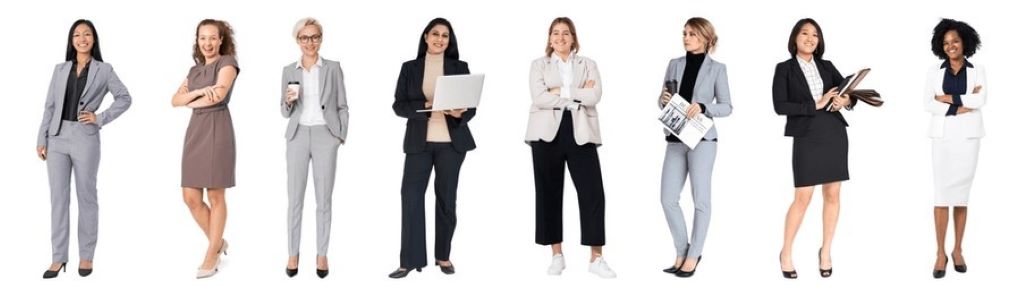
Stepping into the workplace with confidence starts with what you wear. The right office attire for women not only shapes first impressions but also boosts your self-assurance and productivity. In fact, recent studies show that 41% of US workers now opt for business casual attire, reflecting a shift toward both professionalism and comfort in the modern workplace.
Choosing the perfect office outfit can feel overwhelming, especially with evolving dress codes and fashion trends. Whether you’re starting a new job, aiming for a promotion, or simply want to refresh your work wardrobe, this guide will help you navigate the world of professional attire with ease.
Understanding Your Workplace Dress Code
Before you revamp your wardrobe, it’s crucial to understand your workplace’s dress code. While formal dress codes have dropped from 30% to just 4.3% since 2018, most offices now embrace business casual or smart casual policies. These terms can be vague, so here’s a quick breakdown:
- Business Formal: Think tailored suits, blazers, and closed-toe shoes. This is common in law, finance, or executive roles.
- Business Casual: A mix of professional and relaxed—blazers, dress pants, skirts, and polished tops. Jeans may be allowed if styled well.
- Smart Casual: More flexibility with stylish separates, knitwear, and even trendy sneakers, but still put-together.
If you’re unsure, observe what colleagues or managers wear. When in doubt, it’s always better to be slightly overdressed than underdressed.
Building a Versatile Wardrobe: The Essentials
A well-curated wardrobe makes getting ready for work effortless. Focus on timeless, high-quality pieces that mix and match easily. Here are the must-haves for a professional look:
- Tailored Blazers: A structured blazer instantly elevates any outfit. Opt for neutral colors like black, navy, or beige for maximum versatility.
- Wrap Dresses: Flattering and comfortable, wrap dresses are perfect for meetings or client presentations.
- Structured Blouses: Crisp button-downs or silk blouses add polish. Choose breathable fabrics for all-day comfort.
- Matching Sets: Co-ords (matching tops and bottoms) are trending in 2026, offering a sleek, put-together look with minimal effort.
- Dress Pants and Skirts: A pair of well-fitted trousers or a midi skirt in neutral tones is a wardrobe staple.
Invest in quality fabrics that resist wrinkles and maintain their shape. Remember, fit is everything—a perfectly tailored $30 blazer will always look better than an ill-fitting designer piece.
Dressing for Your Industry and Role
Your industry plays a big role in defining what’s appropriate. For example:
- Corporate/Finance: Stick to classic suits, conservative colors, and minimal accessories.
- Creative Fields: You can experiment with bold colors, prints, and statement pieces while keeping the overall look polished.
- Tech/Startups: Business casual is often the norm, with a focus on comfort and practicality.
I recall my first day at a marketing agency, where I showed up in a full suit—only to find my team in jeans and stylish tops. It was a valuable lesson in reading the room and adapting my style to fit the company culture.
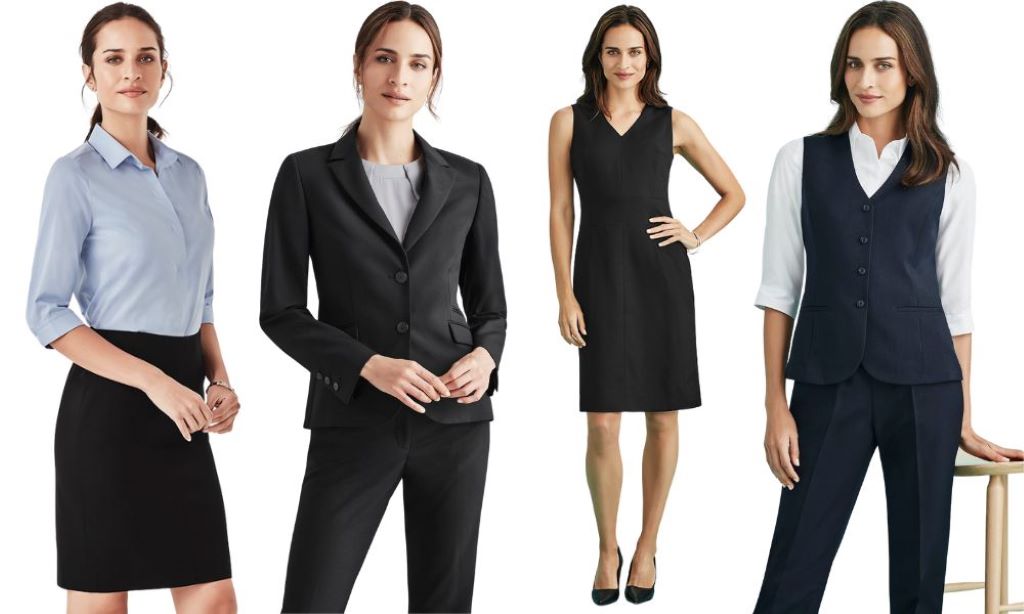
Incorporating Trends Without Sacrificing Professionalism
Fashion trends come and go, but you can incorporate them tastefully. For 2026, expect to see:
- ’80s Silhouettes: Think strong shoulders, tailored waistlines, and bold colors. These styles project confidence and authority.
- Polished Comfort: Stretch fabrics, relaxed tailoring, and wide-leg trousers offer both style and ease.
- Pastel Colors: Soft hues like mint, lavender, and blush add a fresh, modern touch to traditional office wear.
The key is to balance trends with timeless pieces. For example, pair a trendy pastel blouse with classic black trousers for a look that’s both current and professional.
Accessorizing for Impact
Accessories can make or break your outfit. Here’s how to use them wisely:
- Shoes: Opt for closed-toe pumps, loafers, or ankle boots. Avoid overly casual footwear like flip-flops or scuffed sneakers.
- Bags: A structured tote or leather handbag keeps your essentials organized and complements your look.
- Jewelry: Keep it simple—stud earrings, a delicate necklace, or a classic watch add elegance without distraction.
- Belts and Scarves: These can add a pop of color or texture, tying your outfit together.
Avoid anything too flashy or noisy. The goal is to enhance your outfit, not overshadow it.
Dressing for Different Body Types
Every body is unique, and the right fit can highlight your best features. Here are some tips:
- Petite Frames: Opt for monochrome outfits, vertical stripes, and cropped jackets to elongate your silhouette.
- Curvy Figures: Wrap dresses, A-line skirts, and tailored blazers accentuate your waist and create a balanced look.
- Tall Women: Experiment with wide-leg pants, maxi dresses, and bold prints to make the most of your height.
The most important rule? Wear what makes you feel confident and comfortable.
Seasonal Considerations
Your office attire should adapt to the weather while maintaining professionalism.
- Summer: Lightweight fabrics like linen, cotton, and silk keep you cool. Opt for sleeveless dresses with a blazer for air-conditioned offices.
- Winter: Layer with wool coats, cashmere scarves, and tights. Keep outerwear office-appropriate—think tailored coats over puffer jackets.
I once made the mistake of wearing a thin blouse on a freezing winter day, only to spend the entire meeting shivering. Now, I always keep a cozy cardigan or blazer at my desk!
The Power of Grooming and Confidence
Your outfit is just one part of your professional image. Grooming—neat hair, manicured nails, and subtle makeup—completes the look. Most importantly, wear your outfit with confidence. Studies show that dressing well can boost your performance and how others perceive you.
FAQs
What is the best color for office attire for women?
Neutral colors like black, navy, gray, and beige are timeless and versatile. However, don’t shy away from soft pastels or jewel tones for a modern twist.
Can I wear jeans to the office?
It depends on your workplace. If jeans are allowed, opt for dark, well-fitted styles paired with a blazer or polished top.
How do I dress professionally on a budget?
Focus on building a capsule wardrobe with mix-and-match basics. Thrift stores and sales are great for finding quality pieces at a fraction of the cost.
What shoes are appropriate for the office?
Closed-toe pumps, loafers, and ankle boots are safe choices. Avoid overly casual shoes like flip-flops or worn-out sneakers.
How can I make my office attire more sustainable?
Invest in high-quality, timeless pieces that last. Consider second-hand shopping or brands that prioritize ethical and sustainable practices.
Conclusion
Choosing the right office attire for women is about balancing professionalism, comfort, and personal style. By understanding your workplace dress code, investing in versatile essentials, and incorporating trends thoughtfully, you can create a wardrobe that makes you feel confident and ready to conquer your workday.
Remember, the best outfit is one that makes you feel like the best version of yourself. So, go ahead—experiment, have fun, and own your professional look!
What’s your go-to office outfit? Share your tips and favorite pieces in the comments below!