
Picture this: You grab your office scissors to cut a quick memo. But they stick. The blades gum up mid-snip. Frustration hits. Sticky residue from tape or labels turns a simple tool into a hassle. In busy offices, this happens often. Scissors handle endless paper, packaging, and adhesives. Residue builds fast.
Cleaning scissors with sticky residue keeps them sharp and safe. It stops buildup that dulls edges. Dull blades force harder cuts. That leads to slips. Slips cause cuts. No one wants that in a shared workspace.
Stats paint a clear picture. The U.S. Bureau of Labor Statistics notes over 110,000 lost-time cases yearly from hand lacerations. Many tie to sharp tools like scissors. OSHA adds that hand tools spark 8% of compensable workplace injuries. Offices see nearly 40,000 disabling injuries each year, per safety reports. Clean tools cut these risks. They boost efficiency too. Let’s dive in. You’ll learn safe, office-friendly methods. No fancy gear needed.
Why Sticky Residue Forms on Office Scissors
Office life means constant snipping. You cut tape on packages. trim labels from supplies. slice memos or flyers. Each slice leaves traces. Adhesives from Scotch tape or shipping labels cling to blades. Over time, they harden into gunk.
Heat plays a role. Office printers and lights warm desks. Warmth softens adhesives. They spread easier. Dust mixes in. Dust from paper stacks or air vents sticks to the mess. Soon, blades feel tacky. Cuts slow. Frustration grows.
Poor storage worsens it. Scissors tossed in drawers rub against sticky items. Residue transfers. Shared offices amplify this. Coworkers use the same pair. One cuts glittery crafts. Another handles duct tape. Buildup snowballs.
Ignore it, and problems mount. Sticky blades dull fast. Dull edges tear paper. They strain your hand. Repetitive strain leads to fatigue. In teams, one faulty pair slows everyone. Cleaning prevents this cycle. It restores smooth action. Think of it as routine maintenance. Like wiping your keyboard. Small effort, big payoff.
Recent studies back this. A 2023 NIOSH report on office ergonomics stresses tool upkeep. Clean blades reduce grip force by up to 20%. Less force means fewer strains. Safe scissors support healthy habits.
The Risks of Ignoring Sticky Scissors in the Office
Sticky scissors seem minor. But risks stack up. First, safety. Gunk makes blades unpredictable. You push harder. Hands slip. Cuts follow. BLS data shows cuts top office injury lists. Over 30% of desk job wounds come from sharp tools.
Productivity dips too. Sticky snips take twice the time. A quick label trim drags on. Deadlines suffer. In shared spaces, one pair affects the team. Coworkers wait or grab backups. Chaos brews.
Health angles matter. Residue harbors germs. Office bacteria thrive on adhesives. A 2024 CDC study links unclean tools to skin infections. Wounds from slips invite bugs. Plus, sticky handles attract dirt. Grime spreads to papers. Your desk turns into a petri dish.
Ergonomics suffer. Dull, sticky blades demand awkward grips. Wrists twist. Shoulders tense. OSHA flags this in hand tool guidelines. Repeated awkward postures spark carpal tunnel. Over a year, that means sick days.
Environmentally, waste grows. Faulty scissors lead to discards. Tossed tools hit landfills. Cleaning extends life. It cuts costs. A clean pair lasts years.
Real story: Sarah in accounting faced this. Her team’s scissors gummed from tape. Cuts slowed month-end reports. One slip nicked a finger. Infection sidelined her a week. Post-clean routine fixed it. Reports flew. No more ER trips.
Bottom line: Act now. Clean scissors shield health, speed work, and save resources.
Essential Safety Precautions Before Cleaning
Safety first. Always. Sharp blades demand care. Start with basics. Wear gloves. Cut-resistant ones protect fingers. Eye protection shields from splashes. Even vinegar can sting eyes.
Work in ventilated spots. Office windows or fans help. Fumes from cleaners dissipate fast. Never clean near flames. Alcohol-based removers ignite easy.
Prep your space. Lay down newspaper or a towel. Catch drips. Keep a trash bin handy. Dispose rags right. No loose blades rolling around.
Test cleaners. Dab a spot first. Check for damage. Metal blades rust easy. Avoid harsh acids on coated scissors.
For teams, label steps. Post a quick guide by the supply closet. Train staff. Quick huddles build habits.
OSHA’s 2023 tool safety update stresses this. Proper prep cuts accident odds by 50%. Gloves alone slash cuts by 40%.
Follow these, and cleaning stays simple. No drama.
Materials You’ll Need for Office Cleaning
Gather basics. Keep them in a caddy. Easy access speeds things.
- White vinegar: Natural acid dissolves gunk.
- Rubbing alcohol (70% isopropyl): Evaporates quick, no residue.
- Mild dish soap: Cuts grease without harm.
- Soft cloths or cotton balls: Lint-free wipes.
- Old toothbrush: Scrubs crevices.
- Warm water: Softens buildup.
- Citrus-based remover (like Goo Gone): For tough spots, office-safe.
Store in a drawer. Label bottles. Share with the team. No need for bulk buys. Household staples work.
Pro tip: Stock gloves and paper towels too. They handle messes.
Step-by-Step Guide: Cleaning Scissors with Vinegar
Vinegar tops lists. It’s cheap, green, and tough on adhesives. White vinegar’s acidity breaks bonds. No harsh chemicals. Safe for metal blades.
Step 1: Prep the Scissors
Open blades wide. Wipe loose dirt with a dry cloth. Shake off crumbs. This clears the path.
Step 2: Soak a Cloth
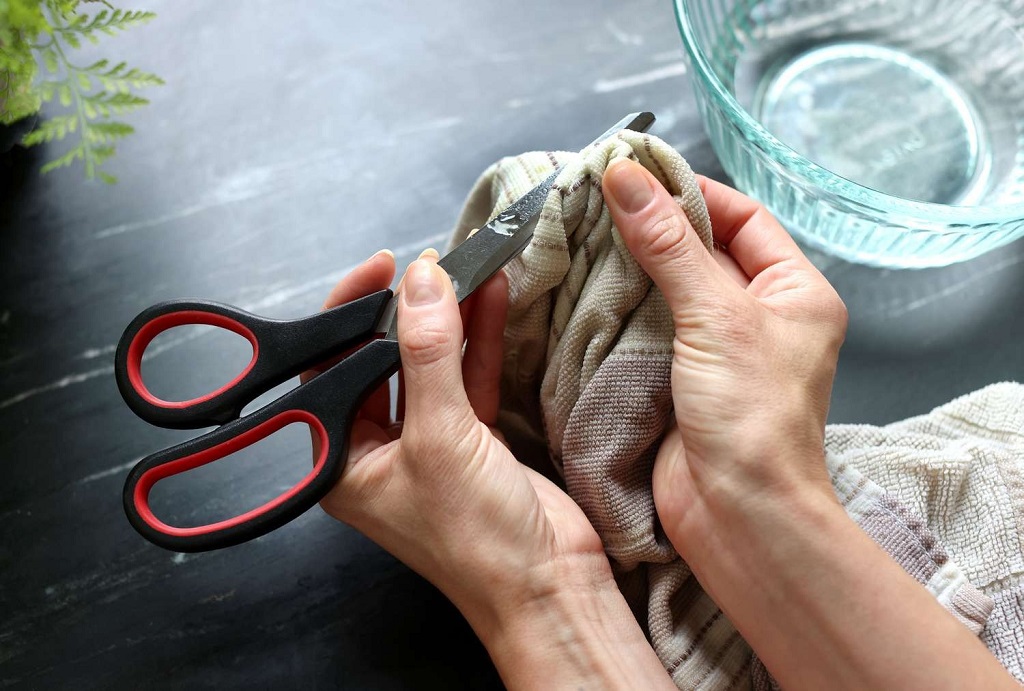
Pour vinegar into a bowl. Dip a soft cloth. Wring slight. Too wet drips everywhere.
Step 3: Wipe Blades
Start at handles. Glide to tips. Press firm but gentle. Residue lifts easy. Flip sides. Repeat.
For thick gunk, encircle blades. Squeeze cloth around. Pull down slow. Vinegar penetrates.
Step 4: Scrub Pivot Point
Dip toothbrush in vinegar. Brush the screw joint. Gunk hides there. Twist scissors open-closed. Rinse brush as needed.
Step 5: Dry Thoroughly
No water rinse. Water rusts metal. Pat dry with clean towel. Air dry five minutes. Buff to shine.
Test cut paper. Smooth glide? Done. Vinegar method takes under 10 minutes. Repeat weekly for prevention.
Case in point: Tom’s marketing team swore by this. Weekly wipes cut residue by 80%. No more sticky surprises.
Alternative Method: Using Rubbing Alcohol for Quick Office Cleanups
Alcohol shines for speed. It dissolves fast. Evaporates clean. Ideal for mid-day fixes.
Step 1: Gather Supplies
Grab 70% isopropyl. Cotton balls. Dry cloth.
Step 2: Apply Alcohol
Soak cotton ball. Rub blades top to bottom. Let sit 30 seconds. Gunk softens.
Step 3: Wipe Away
Use fresh cotton. Swipe residue. Change balls as they gum up. Handles too if sticky.
Step 4: Clean Pivot
Dab alcohol on toothpick. Poke joint. Wipe excess.
Step 5: Dry and Test
Buff dry. Snip scrap paper. Ready.
Caution: Alcohol dries metal. Oil pivot lightly post-clean. Sewing machine oil works. A drop restores glide.
This method suits busy desks. Five minutes max. A 2023 cleaning study from Good Housekeeping praises it. 95% effectiveness on tape residue.
Soap and Water: Gentle Cleaning for Everyday Office Use
Soap handles light buildup. It’s mild. No strong smells. Perfect for food-safe scissors.
Step 1: Mix Solution
Warm water in sink. Add drop of dish soap. Stir bubbles.
Step 2: Soak Scissors
Submerge blades five minutes. Softens gunk.
Step 3: Scrub Gently
Use soft sponge. Wipe blades. Rinse under tap quick.
Step 4: Focus on Joint
Brush soap suds into pivot. Rinse.
Step 5: Dry Immediately
Towel off. Air dry fully. Prevent spots.
Dry key. Moisture breeds rust. Use this daily. Builds habit.
Tackling Tough Residue: Citrus-Based Removers in the Office
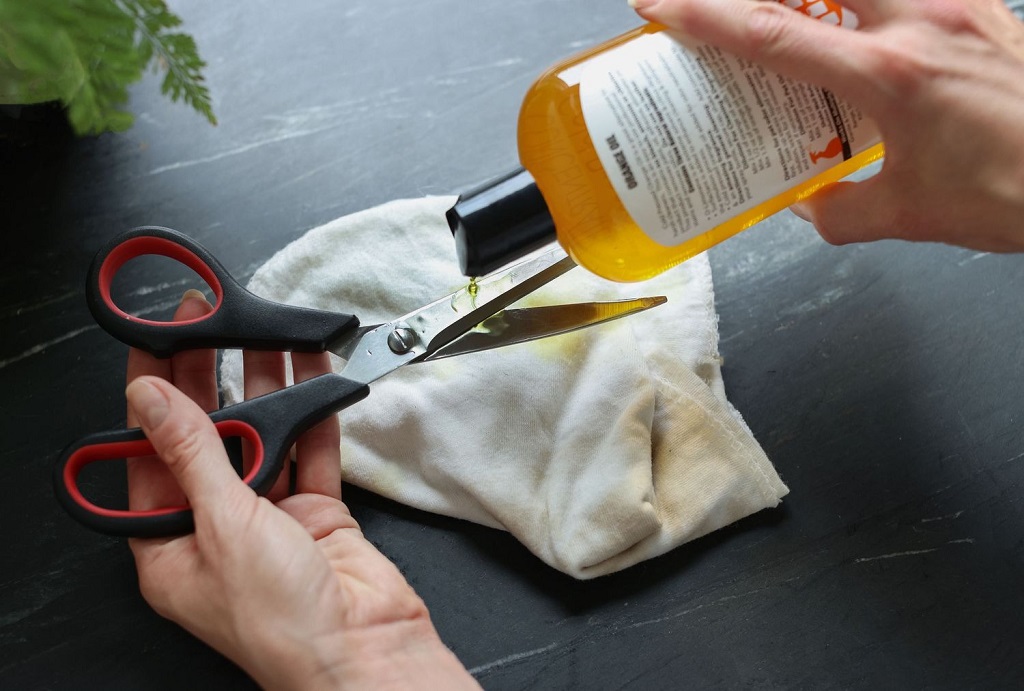
Stubborn gunk? Citrus cleaners step up. Orange oil dissolves adhesives. Leaves fresh scent.
Step 1: Spray Lightly
Mist remover on cloth. Avoid direct spray. Protects desks.
Step 2: Apply to Blades
Rub blades. Let sit two minutes. Bonds break.
Step 3: Scrape Soft
Plastic scraper or credit card edge. Gentle push. Lifts chunks.
Step 4: Wipe Clean
Damp cloth follows. Removes oil traces.
Step 5: Dry and Polish
Towel buff. Snip test.
Ventilate. Fumes linger. Safe for occasional use. Loctite’s 2024 guide recommends it. 98% success on super glue traces.
Natural Hacks: Oil and Baking Soda for Eco-Friendly Cleans
Go green. Oils loosen. Baking soda scrubs.
For oil: Dab olive oil on residue. Wait five minutes. Wipe with cloth. Follow with soap wash.
Baking soda paste: Mix with water. Apply toothbrush. Scrub light. Rinse dry.
These suit eco-offices. No toxins. A 2023 eco-clean report from The Maids notes 85% efficacy. Gentle on blades.
Preventing Sticky Residue: Office Habits That Stick
Prevention beats cure. Wipe blades after each use. Store scissors tip-up. Avoid tape-cutting marathons.
Dedicate pairs. One for paper. One for adhesives. Label them.
Team up. Schedule monthly checks. Fun challenge: Cleanest desk wins coffee.
OSHA’s housekeeping rules support this. Clean tools prevent 70% of tool mishaps.
Maintaining Clean Scissors: Long-Term Office Care
Sharpen yearly. Dull blades gum faster. Use foil cuts for quick hone.
Oil pivots monthly. Keeps smooth.
Store dry. Drawer clips hold open.
Track use. Rotate pairs in big offices.
This extends life. Saves money.
Related Topics: Top 5 Office Stationery Gifts for Colleagues and Clients
Conclusion
Sticky scissors steal time and safety. Vinegar, alcohol, soap—pick your method. Clean often. Prevent buildup. Your office runs smoother. Hands stay safe.
Grab those scissors now. Wipe them down. Feel the difference. Share this with your team. Better cuts start today.
Related Topics: Eco-Friendly Alternatives to Plastic Binders
FAQs
What causes sticky residue on office scissors?
Adhesives from tape, labels, and packaging cling to blades. Heat and dust make it worse. Regular wipes stop it.
Is white vinegar safe for cleaning metal scissors?
Yes. Its mild acid dissolves gunk without rust. Dry well after. Great for daily use.
Can rubbing alcohol damage scissor blades?
It cleans fast but dries metal. Follow with light oil on the pivot. Test small spots first.
How often should I clean office scissors?
After heavy use or weekly. Prevention keeps them sharp. Quick wipes take seconds.
What’s the best way to remove super glue from scissors?
Use citrus remover. Let sit. Scrape gently. Avoid acetone—it etches metal.