

In today’s office environment, where multiple devices compete for power, choosing the safest power strip becomes crucial. Power strips are not just convenience tools but vital safety devices that protect expensive equipment and even employees from electrical hazards. However, selecting the right one requires a deeper understanding beyond just grabbing the cheapest option on the shelf. This guide dives into how to choose the safest power strip for your office, providing practical insights, statistics, and expert opinions to help you make a well-informed decision.
Understand the Risks First
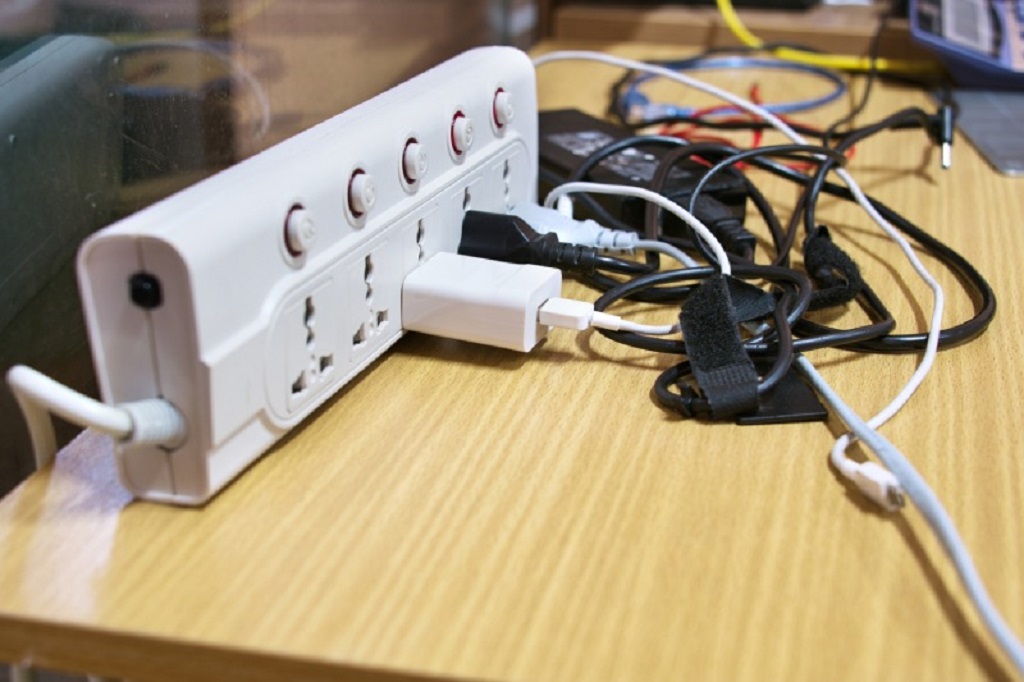
Electrical fires and shocks remain a leading cause of office accidents. According to the U.S. Fire Administration, electrical distribution or lighting equipment failures cause roughly 47,700 fires annually in the U.S., resulting in hundreds of injuries and billions in property loss. Power strips contribute to this risk if overloaded or poorly manufactured. Therefore, safety features are not optional but mandatory.
Check for Certifications and Compliance
The first step when learning how to choose the safest power strip for your office is to look for recognized safety certifications. UL (Underwriters Laboratories), ETL (Intertek), and CSA (Canadian Standards Association) marks guarantee that the product meets rigorous testing standards. A power strip without these certifications may not have been tested against surge protection, overload, or fire safety.
Industry experts recommend never compromising on certification, even if a non-certified model appears cheaper. The risks associated with subpar equipment far outweigh short-term savings.
Surge Protection: An Absolute Must
Offices face frequent power surges due to fluctuating electrical loads or lightning strikes. These surges can fry devices or cause data loss. A power strip with built-in surge protection diverts excess voltage to the ground, shielding your electronics.
Look for a power strip that clearly states its joule rating. Joules measure the energy absorption capacity of surge protectors; the higher the number, the better the protection. Experts suggest choosing power strips with a minimum rating of 1,000 joules for office environments. However, if you use sensitive equipment such as servers or high-end computers, opt for even higher ratings.
Consider Overload Protection and Circuit Breakers
Overloading power strips is a common cause of fires. Many older or budget models lack built-in overload protection. Modern power strips, however, include circuit breakers that automatically cut off electricity when the load exceeds safe limits.
This feature acts as a safety net, especially in busy offices where multiple gadgets plug into the same strip. For instance, a study by the Electrical Safety Foundation International (ESFI) shows that over 30% of electrical fires originate from overloaded outlets or strips.
Number and Type of Outlets Matter
Offices house a range of devices, from computers and monitors to printers and charging stations. When deciding how to choose the safest power strip for your office, consider the number and types of outlets required. Avoid daisy-chaining multiple strips as it increases fire risk.
Additionally, USB ports integrated into power strips offer convenience, but verify they meet safety standards to prevent overheating. Surge protection should cover all outlets and USB ports alike.
Cord Length and Quality Should Not Be Overlooked
Many assume that longer cords provide flexibility, but longer cords can reduce power efficiency and present tripping hazards. Ideally, choose a power strip with a cord length that suits your setup without excessive slack.
Also, inspect the cord’s quality. A heavy-duty, thick cord with proper insulation enhances safety by resisting wear and overheating. Some models also offer angled plugs that prevent damage to the cord or outlet.
Real-World Office Example
Consider a financial firm in New York that experienced a costly outage when a cheap power strip caught fire, damaging several workstations. After upgrading to certified strips with surge protection and circuit breakers, they reported zero electrical incidents in three years. This example illustrates the importance of investing in quality equipment.
Budget vs. Safety: Finding the Balance
While premium power strips cost more upfront, their long-term benefits in preventing equipment damage and fire hazards justify the expense. According to consumer safety experts, spending about 10-20% more on certified power strips with advanced features offers peace of mind and financial savings over time.
Avoiding shortcuts on power strips is not just good practice—it’s essential for office safety.
7 FAQs About Choosing the Safest Power Strip for Your Office
Can I plug a power strip into another power strip?
No. Daisy-chaining increases the risk of overloading and electrical fires. Use a single, appropriately rated power strip instead.
How often should I replace power strips in my office?
Replace them every 3-5 years or immediately if damaged, overheated, or if the surge protection indicator signals failure.
Is a surge protector necessary for all office devices?
Yes. Even minor surges can damage sensitive electronics or cause data loss.
How do I know if a power strip’s surge protection is still working?
Many models have indicator lights showing protection status. If it’s off, replace the strip.
What’s the difference between a power strip and a surge protector?
Not all power strips offer surge protection. Surge protectors have components to absorb voltage spikes.
Are USB power strips safe for office use?
Yes, if they are certified and have built-in surge protection for USB ports.
Can I use a power strip outdoors?
No. Power strips are designed for indoor use unless explicitly rated for outdoor environments.
Read More Also: How to Choose the Right Printer for Your Business Needs
Final Thought
How to choose the safest power strip for your office boils down to prioritizing certifications, surge protection, and overload safeguards. Investing in a quality power strip prevents costly damages and protects your workplace from fire risks. As offices grow more technology-dependent, ensuring electrical safety remains a foundational responsibility. Don’t risk shortcuts—choose safety, protect your assets, and keep your office running smoothly.