
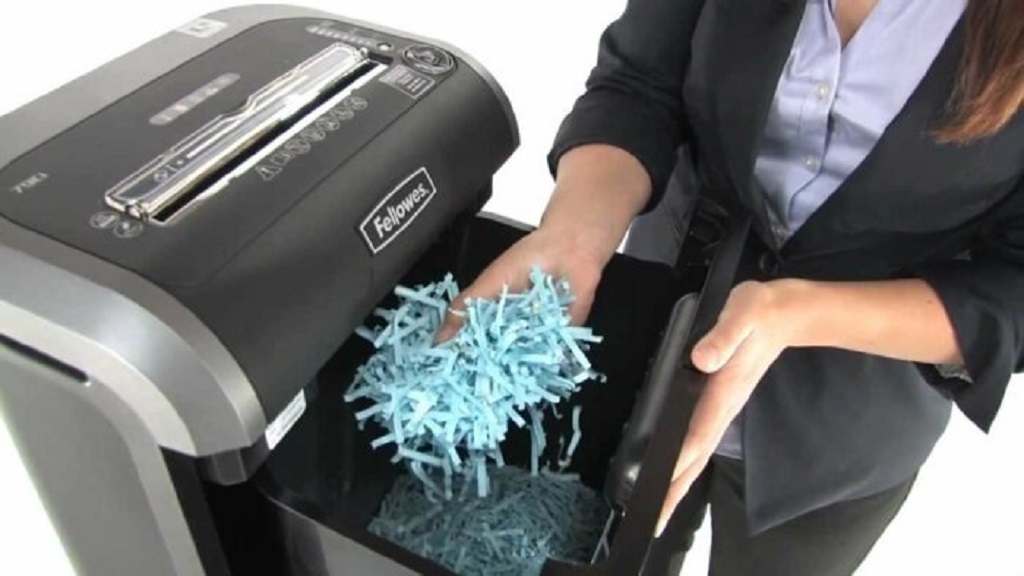
In today’s fast-paced business environment, protecting sensitive information has never been more critical. Data breaches and identity theft can cost companies millions, damage reputations, and even lead to legal consequences. One of the simplest yet most effective tools to safeguard your office data is a paper shredder. However, many businesses underestimate the importance of shredding physical documents. This article explores why you need a paper shredder for office security and provides insights into how this straightforward device can become a cornerstone of your company’s data protection strategy.
The Rising Threat of Data Breaches in Offices

According to the Identity Theft Resource Center, data breaches increased by 68% in 2022 compared to the previous year. While cyberattacks grab headlines, physical document theft remains a substantial risk. Sensitive data often exists in paper form—contracts, financial reports, employee records, and confidential correspondence. When discarded carelessly, these papers become easy targets for identity thieves, corporate spies, or even disgruntled employees.
Research by the Ponemon Institute revealed that 60% of data breaches result from negligent disposal of sensitive information. Simply throwing confidential documents in the trash can expose your company to enormous security risks. Therefore, securing this information starts with a reliable method of disposal—hence, the undeniable need for a paper shredder.
How a Paper Shredder Enhances Office Security
A paper shredder physically destroys documents, making sensitive information unreadable and irretrievable. Unlike simply tearing papers by hand or tossing them into a recycling bin, shredders cut documents into tiny strips or particles that cannot be pieced together.
Furthermore, cross-cut or micro-cut shredders provide higher security levels. According to the National Institute of Standards and Technology (NIST), micro-cut shredders reduce documents to particles measuring less than 5mm, offering the highest security for confidential files. Businesses that handle highly sensitive information—such as healthcare providers or financial institutions—should consider investing in such shredders.
By incorporating shredding into daily office routines, companies reduce risks related to dumpster diving, accidental information leaks, and internal fraud. Additionally, shredded documents help protect intellectual property, trade secrets, and employee personal data.
Legal Compliance and Avoiding Costly Fines
Many industries face strict regulatory requirements regarding the handling and disposal of personal or confidential information. The Health Insurance Portability and Accountability Act (HIPAA) mandates secure destruction of patient records. Similarly, the General Data Protection Regulation (GDPR) in Europe enforces strict rules on data privacy, including document disposal.
Non-compliance with these regulations can lead to hefty fines. For example, the U.S. Federal Trade Commission has fined companies millions for failing to properly dispose of consumer information. Implementing a paper shredder in your office can help your business comply with these legal frameworks and avoid penalties.
Therefore, why you need a paper shredder for office security becomes clearer—not only to protect sensitive data but also to ensure your company meets legal obligations.
Cost-Effective Investment for Long-Term Security
Many business owners perceive paper shredders as an unnecessary expense. However, the cost of a decent office shredder is minimal compared to potential losses from data breaches or legal actions. The IBM Cost of a Data Breach Report 2023 shows the average cost of a data breach at $4.45 million globally.
By investing in shredding equipment and training employees to use it consistently, companies save money in the long run. A shredder’s price typically ranges from $50 to several hundred dollars, depending on features and capacity, making it an affordable addition to any office security plan.
Real-World Examples Demonstrate the Importance of Shredding
In 2018, a major U.S. law firm experienced a data breach when confidential client documents were stolen from an unsecured trash bin. The incident led to a loss of trust and significant legal consequences. Had the firm used a reliable paper shredder, the physical theft of those documents could have been prevented.
Another example involves a healthcare provider fined $3 million for failing to properly dispose of patient records. These cases illustrate that physical security is as vital as digital protection.
Enhancing Employee Awareness and Responsibility
Installing a paper shredder also promotes a culture of security within the workplace. When employees understand the risks of mishandling documents, they tend to be more vigilant. Shredding routines encourage responsible behavior and reduce the likelihood of accidental data leaks.
Additionally, clear shredding policies help employees recognize the value of confidentiality. Managers should integrate shredding into regular office protocols and provide training to ensure compliance. This proactive approach enhances overall office security.
Choosing the Right Paper Shredder for Your Office Needs
Not all shredders are created equal. When selecting one, consider the volume of documents your office produces and the sensitivity level of your information. Strip-cut shredders are economical but offer the lowest security. Cross-cut shredders are ideal for medium-security needs, while micro-cut shredders provide top-tier protection.
Look for features such as:
- Automatic feed trays for high-volume shredding
- Overheat protection to prevent damage during heavy use
- Jam-proof mechanisms to reduce downtime
- Noise reduction technology for quieter operation
By investing in the appropriate shredder, businesses can ensure they meet their specific security requirements without unnecessary expenses.
Frequently Asked Questions (FAQs)
How often should I shred documents in the office?
Documents containing sensitive data should be shredded immediately after use or when no longer needed. Regular shredding schedules, such as daily or weekly, help maintain security.
Can shredders handle non-paper items?
Most office shredders handle staples and paper clips, but avoid shredding plastic, CDs, or thick materials unless specified by the manufacturer.
Are digital shredders necessary if we scan documents?
Scanning documents reduces paper use but does not eliminate physical document risks. Shredding remains essential to destroy original hard copies.
What is the difference between strip-cut and cross-cut shredders?
Strip-cut shredders cut paper into long strips, while cross-cut shredders cut paper into smaller pieces, providing higher security.
How secure is a micro-cut shredder?
Micro-cut shredders reduce paper to tiny particles, making reconstruction nearly impossible. They provide the highest level of document security.
Can shredded paper be recycled?
Yes, shredded paper is recyclable, but check local recycling guidelines as some facilities have restrictions.
Does shredding help prevent identity theft?
Yes, shredding prevents criminals from accessing personal and financial information, reducing the risk of identity theft.
Read More Also: In-Depth Review of the Most Comfortable Office Chairs
Final Thought
In an era where data breaches and identity theft threaten every business, why you need a paper shredder for office security is no longer a question but a necessity. A shredder provides an effective, affordable, and legal way to protect your sensitive information from falling into the wrong hands. Combining shredding with employee training and secure disposal policies creates a robust defense against physical data theft. The peace of mind and compliance benefits far outweigh the small investment in a quality shredder. Don’t leave your office security to chance—shred today to protect tomorrow.