

In 2025, workplace health isn’t a luxury—it’s a necessity. With over 42% of the global workforce operating remotely or in hybrid settings (Statista, 2024), the demand for ergonomic office furniture has exploded. Employees are no longer content with uncomfortable setups that cause back pain, fatigue, or burnout. They want furniture that enhances productivity, supports posture, and keeps them energized throughout the day.
Companies like Steelcase and Herman Miller have pushed the boundaries of design, integrating biomechanics with sleek modern aesthetics. Meanwhile, startups are disrupting the space with smart desks and AI-adjustable chairs. Choosing the best office furniture for ergonomic workspaces in 2025 isn’t just about style—it’s a strategic investment in well-being and performance.
Why Ergonomics Should Drive Office Furniture Decisions
According to the Occupational Safety and Health Administration (OSHA), musculoskeletal disorders cost businesses billions each year in lost productivity. Poor seating, awkward desk heights, and static postures are common culprits. Research shows that ergonomic interventions can reduce workplace injuries by up to 59% (NIOSH study, 2023).
When office furniture supports the body’s natural posture, blood flow improves, focus sharpens, and fatigue lessens. A well-designed ergonomic chair or standing desk encourages micro-movements, which in turn reduce the risk of back strain and repetitive stress injuries. The logic is simple: better support equals better work outcomes.
Top Ergonomic Office Furniture Picks of 2025
-
Herman Miller Aeron Remastered Chair – Best Overall Ergonomic Chair
Still the gold standard in 2025, the Aeron Remastered combines breathable mesh with eight zones of tension control. Its PostureFit SL technology supports the natural S-curve of your spine. Adjustability is unmatched—with seat angle, lumbar depth, and armrest width all customizable.
Why it stands out:
Most chairs only adapt in two or three ways. The Aeron allows micro-tweaks that fit individual users precisely. Occupational therapists frequently recommend it for those recovering from back injuries.
Expert opinion:
A 2024 review from Wired praised it as “an ergonomic masterpiece that blends engineering with comfort.” Although its $1,500+ price tag may raise eyebrows, users report reduced fatigue after just one week of use.
-
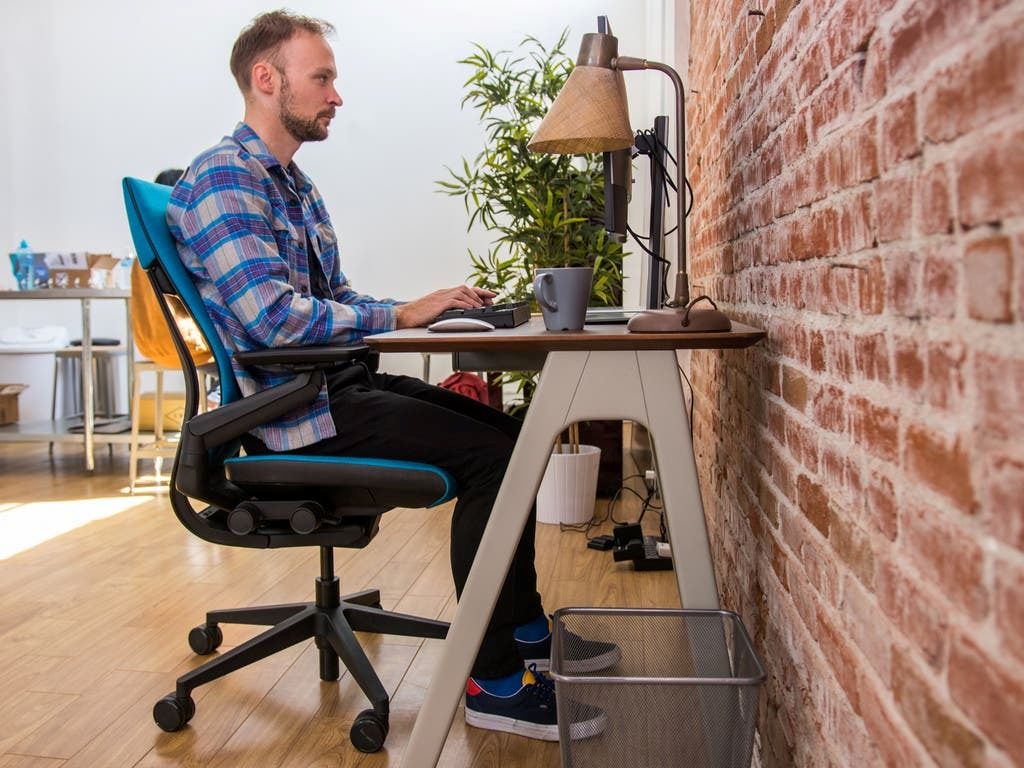
Steelcase Series 2 Chair – Best Value for Professionals
For budget-conscious professionals who want premium support, the Steelcase Series 2 delivers. It features a LiveBack™ system that mimics spine movement and a flexible seat edge that alleviates leg pressure.
Why it’s worth considering:
Priced under $600, it’s an accessible entry into high-end ergonomics. It’s ideal for hybrid workers who split time between home and office.
Reviews highlight:
TechRadar calls it “a rare mix of affordability and ergonomic integrity.” Users report fewer neck and shoulder issues after long meetings or coding marathons.
-
Uplift V2 Standing Desk – Best Adjustable Desk for Dynamic Workflows
Standing desks are more than a trend—they’re a response to sedentary fatigue. The Uplift V2 remains a front-runner, thanks to its whisper-quiet motors and smooth height transitions.
Notable features:
It accommodates users from 4’11” to 6’5″, making it one of the most inclusive options on the market. Its solid frame holds up to 355 lbs and resists wobble, even at max height.
Tip from professionals:
Alternate sitting and standing every 30 to 45 minutes to optimize circulation and alertness. Use an anti-fatigue mat for best results.
-
Fully Jarvis Bamboo Desk – Best for Sustainability and Style
The Jarvis Bamboo Desk offers both form and function. Built with sustainably sourced bamboo, it integrates a programmable keypad, sleek cable management, and exceptional durability.
Eco-conscious edge:
The bamboo is pesticide-free and UV-cured for a scratch-resistant finish. Environmentally aware professionals appreciate its minimal footprint.
Consumer insight:
“It’s the perfect blend of green design and daily comfort,” says a reviewer from The Spruce. It has become a popular pick among designers and remote teams alike.
-
Humanscale M2.1 Monitor Arm – Best Ergonomic Accessory
Eye strain is one of the most under-addressed ergonomic issues. The Humanscale M2.1 monitor arm adjusts height, tilt, and depth effortlessly, helping reduce neck tension.
Why it matters:
Screens placed too low or too far can strain the eyes and spine. With more digital meetings in 2025 than ever before, proper monitor alignment is essential.
Real-world impact:
Tech professionals who adopted adjustable monitor arms report up to 23% increase in comfort and productivity (Harvard Business Review, 2024).
Professional Tips for Creating a Fully Ergonomic Workspace
- Invest in layered lighting to reduce glare and eye strain. Avoid overhead fluorescent lights alone.
- Use an ergonomic keyboard with a negative tilt and soft wrist support to minimize carpal tunnel risk.
- Incorporate movement tools like balance boards or footrests to encourage dynamic posture.
- Position monitors at eye level and roughly arm’s length away for optimal screen ergonomics.
These adjustments don’t just prevent injury—they create a more energized, focused, and pleasant work environment.
Featured Snippet: What’s the Best Ergonomic Office Setup in 2025?
A top ergonomic setup in 2025 includes a posture-supportive chair, height-adjustable desk, and adaptable monitor arm. Prioritize gear that promotes dynamic movement and proper spinal alignment. Pair a breathable mesh chair like the Aeron with a smart standing desk such as the Uplift V2. For added comfort, include anti-fatigue mats, an ergonomic keyboard, and natural lighting. Professionals recommend alternating sitting and standing every 30 minutes. These setups reduce fatigue, improve focus, and enhance long-term musculoskeletal health. Always adjust your furniture to your unique body measurements for the best outcomes.
FAQs
- What is the most important piece of ergonomic office furniture?
A high-quality ergonomic chair is most critical. It directly supports posture and reduces spinal strain during long hours. - Are standing desks actually better than sitting?
Not necessarily. Experts recommend alternating between sitting and standing. Prolonged standing also causes fatigue without movement. - How much should I spend on ergonomic furniture?
Expect to spend $600–$2,000 for a complete ergonomic setup. The investment pays off in comfort and health benefits. - Can ergonomic furniture improve productivity?
Yes. A 2023 study by Cornell University showed a 17% productivity increase in workers using ergonomic setups. - Is mesh or cushioned seating better for ergonomics?
Mesh offers better breathability and lumbar support. Cushioned seats are softer but may lack long-term structural support. - What’s a good monitor height for ergonomics?
Your screen should be at or slightly below eye level, about an arm’s length away from your face. - Are ergonomic furniture tax-deductible?
Yes, in many countries. If you’re self-employed, ergonomic purchases can often be claimed as business expenses.
Final Thoughts
Choosing the best office furniture for ergonomic workspaces in 2025 means thinking beyond aesthetics. It’s about building an environment where your body feels supported, your mind stays focused, and your workday flows naturally. Whether you’re investing in a luxury Aeron chair or upgrading to an adjustable desk, these picks ensure you’re set up for success. As work evolves, so should your workspace—because productivity starts with posture.
Read More: Affordable Label Makers for Efficient Office Labeling
References: