
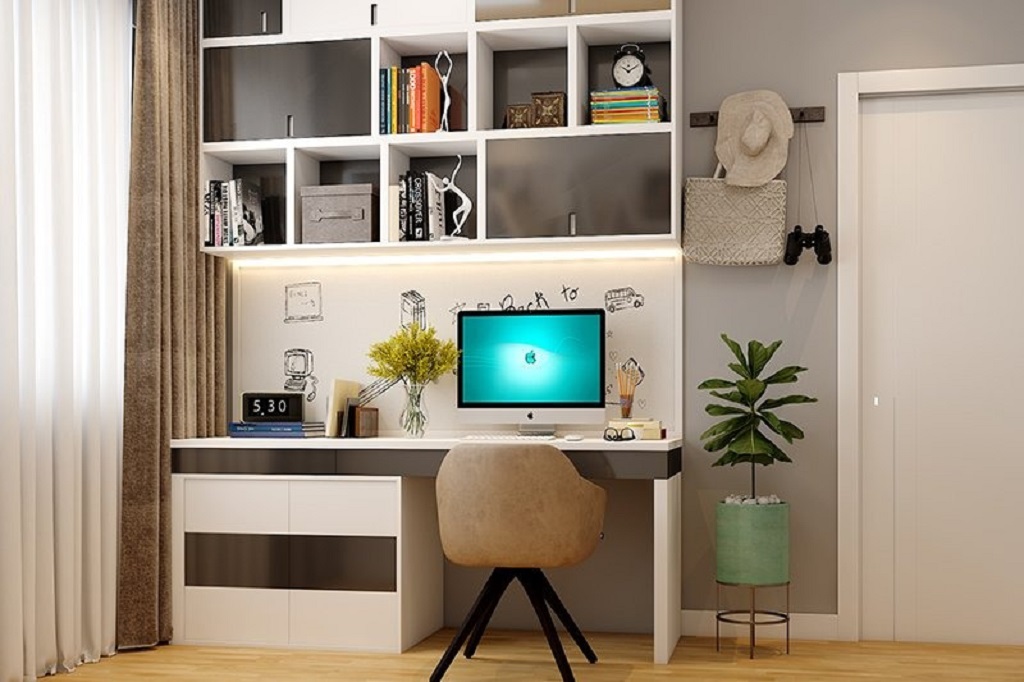
Choosing the perfect desk for your home office is more than just a style decision, it’s a critical factor that affects your comfort, productivity, and overall well-being. As remote work becomes increasingly common, surging by 159% since 2005 according to FlexJobs, people are investing more in home office setups. Yet, many overlook the importance of selecting the right desk, settling instead for something inexpensive or mismatched. This article offers expert guidance on how to choose the perfect desk for your home office by balancing function, comfort, and aesthetics.
Understanding Your Workspace and Needs
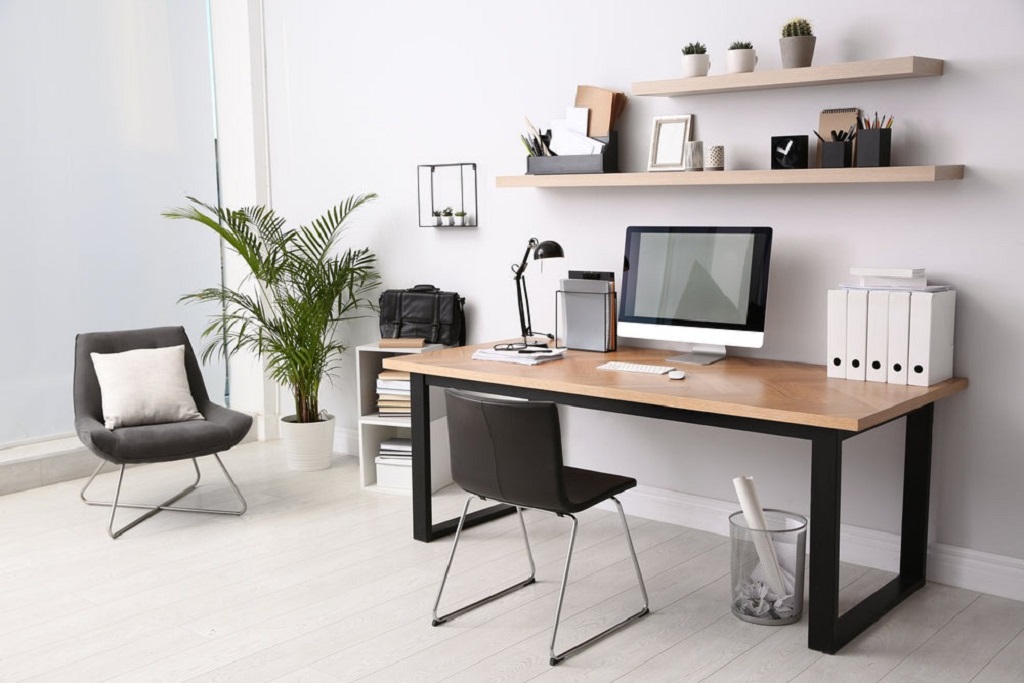
The first step in selecting a desk is understanding your unique work habits and space limitations. Do you spend hours writing, typing, or crafting? Or do you require multiple monitors and gadgets? According to a survey by the American Society of Interior Designers, 65% of people prioritize ergonomic furniture to reduce fatigue during long working hours. Therefore, your desk should accommodate your equipment comfortably while promoting healthy posture.
Size matters greatly. Measure your available space carefully before buying. For example, a compact 40-inch desk may suit a smaller room, but if you juggle documents and tech, a larger 60-inch or L-shaped desk could prove indispensable. Consider the room’s layout—will a desk against the wall or in the center boost your workflow? Natural light availability and electrical outlet positioning also influence desk placement and size.
Material and Build Quality: Durability Meets Style
Selecting the right material affects both the desk’s durability and appearance. Wood desks, especially hardwood varieties like oak or walnut, offer sturdiness and timeless appeal. Conversely, laminate desks tend to be budget-friendly and easier to maintain but may not last as long under heavy use. Metal frames provide strong support but might lack warmth in design.
According to Furniture Today, consumers increasingly prefer sustainable materials in furniture, favoring products that combine durability with eco-friendliness. Thus, bamboo or reclaimed wood desks are gaining popularity, providing strength and environmental responsibility.
Additionally, consider the desk’s finish and texture. A matte surface reduces glare, benefiting those who work with screens all day, while glossy finishes may look sleek but highlight fingerprints and scratches. Therefore, select a finish that aligns with both your aesthetic preferences and maintenance expectations.
Ergonomics: Prioritizing Your Health and Comfort
Ergonomics should never be an afterthought. Improper desk height or lack of adjustability leads to discomfort and chronic issues like back pain. According to the CDC, about 80% of adults experience back pain at some point, with poor workspace setup as a significant contributor.
Standard desk height is roughly 29 to 30 inches, but adjustable desks or sit-stand desks offer more flexibility. Sit-stand desks encourage movement, reducing sedentary behavior linked to cardiovascular issues. A study by the Mayo Clinic revealed that alternating between sitting and standing improves focus and energy levels.
Furthermore, ample legroom and space for accessories like keyboard trays and monitor stands enhance posture. Many users benefit from desks with built-in cable management systems to reduce clutter, contributing to a more organized and ergonomic workspace.
Storage Solutions: Clutter-Free and Efficient
Your desk should support your organization style. Some prefer minimalist surfaces with hidden storage, while others need visible drawers for frequent access. According to a survey by The National Association of Professional Organizers, clutter negatively impacts productivity for 77% of workers.
Desks with integrated drawers, shelves, or filing cabinets keep essentials at arm’s length. However, bulky storage may consume valuable space, so consider standalone storage units if your desk is compact. Modular desks allow customization, which appeals to those whose needs evolve frequently.
In addition to storage, consider desks with cable ports or holes to streamline your electronic setup. A well-organized desk reduces distractions and improves efficiency throughout the workday.
Style and Aesthetic: Reflect Your Personality
Your home office desk should reflect your style, creating an inspiring environment that motivates you. Whether you prefer a sleek modern look with metal legs and glass tops or a rustic wooden desk with vintage charm, your choice affects your mood and productivity.
Interior design experts emphasize the psychological impact of workspace aesthetics. Bright colors, natural textures, and personalized décor contribute to higher job satisfaction and creativity. For example, a Scandinavian-style desk, known for simplicity and functionality, suits minimalists who want a clean, bright office space.
Moreover, blending the desk with the overall room design ensures a harmonious look. An eye-catching desk can become a statement piece, transforming your office into a space you love spending time in.
Budgeting: Balancing Cost and Quality
Budget plays a crucial role in choosing the perfect desk. While it’s tempting to opt for the cheapest option, investing in a quality desk pays off through durability and improved comfort. According to Statista, the average American spends around $250-$500 on home office furniture, balancing cost and quality.
If you have a limited budget, prioritize ergonomics and essential features over flashy designs. Consider purchasing secondhand or refurbished desks from reputable sources, which can offer excellent value without sacrificing quality.
Splurging on a high-end ergonomic or adjustable desk makes sense if you spend over 6 hours daily at your workspace. Your health and productivity gains justify the higher upfront cost.
Additional Features to Consider
Modern desks come with innovative features designed for today’s work demands:
- Adjustable height mechanisms to switch between sitting and standing
- Built-in charging stations for convenience
- Integrated lighting to reduce eye strain
- Modular components allowing for expansion or rearrangement
Choosing a desk that anticipates your workflow changes keeps your home office future-proof and versatile.
Read More Also: Best Vacuum Cleaners for Efficient Office Cleaning
Relevant FAQs
- What is the ideal desk size for a home office?
A desk between 48 and 60 inches wide generally fits most home offices, offering enough space for a computer and workspace without crowding. - Are standing desks better than traditional desks?
Standing desks encourage movement and reduce health risks linked to prolonged sitting, but alternating between sitting and standing is best. - How important is desk ergonomics?
Very important. Proper ergonomics reduce fatigue, prevent injury, and improve focus and productivity. - Can I use any desk for a home office?
Technically yes, but a desk designed with workspace needs and comfort in mind performs better for prolonged work. - What materials last longest for desks?
Solid hardwood and metal frames offer the greatest durability, while laminate desks can wear faster. - How can I organize cables on my desk?
Look for desks with built-in cable management or use cable clips, sleeves, and under-desk trays. - Should I invest in a custom desk?
Custom desks provide tailored solutions but come at a premium. They make sense if you have unique space constraints or specific needs.
Final Thought
Knowing how to choose the perfect desk for your home office means balancing function, comfort, and style to create a workspace that supports your productivity and well-being. Investing time in evaluating your space, work habits, and ergonomic needs pays dividends in comfort and efficiency. Remember, your desk is more than furniture—it’s the foundation of your home office success.
For further guidance, visit authoritative sources like the American Occupational Therapy Association and ErgoPlus to explore ergonomic best practices.
Choosing wisely today will make your work-from-home experience healthier, more enjoyable, and significantly more productive.