
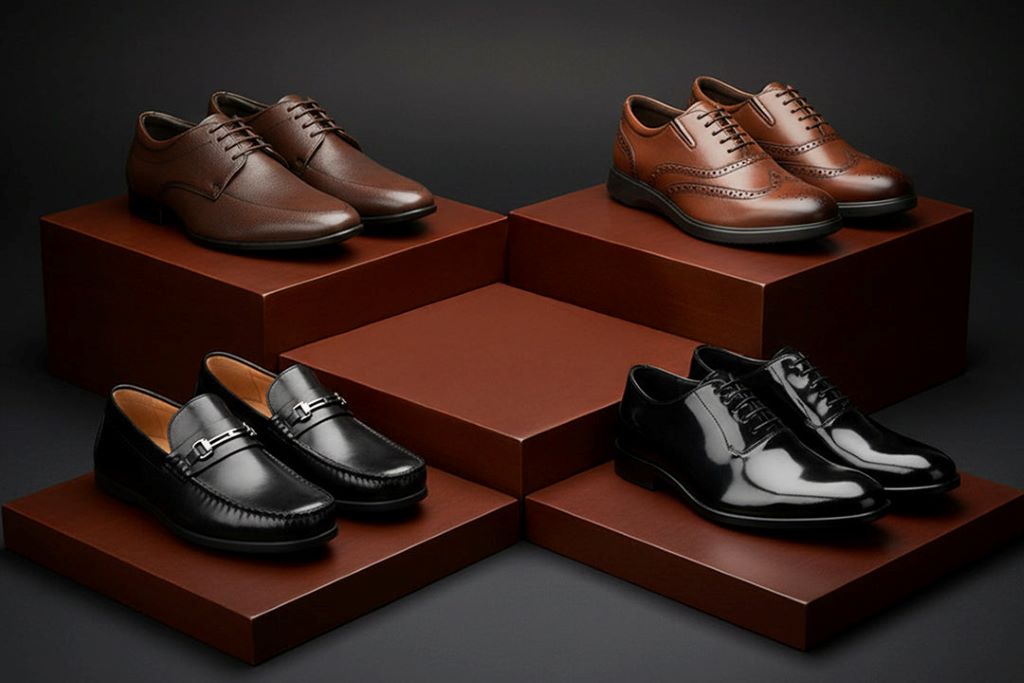
Many men spend eight or more hours on their feet at work. They attend meetings, walk between offices, or stand during presentations. Poor shoes lead to sore feet, tired legs, and less focus. You deserve footwear that feels great from morning coffee to evening commute. Smart choices boost your confidence and keep you productive all day. Comfort and professionalism go hand in hand for office shoes.
Finding quality office shoes for men can make a real difference in your daily routine. However, the options often overwhelm buyers. You want shoes that look sharp with your suit yet cushion every step. Therefore, this guide walks you through the key steps. It helps you pick pairs that support your feet and match your professional image.
Why Comfort Matters Most for Office Shoes
Comfort stands out as the top priority when you select office shoes. Long hours in the office create foot stress. A recent survey by Footminders shows that 53 percent of workers who stand or walk often feel foot pain several days each week. Moreover, 42 percent say the discomfort starts before the workday ends. These numbers highlight a common problem. Ill-fitting shoes reduce your energy and cut productivity.
You might think style trumps everything in a professional setting. However, pain distracts you during important tasks. Studies link comfortable footwear to higher job satisfaction and better focus. Workers with supportive shoes take fewer breaks and feel less fatigue. Additionally, good shoes prevent issues like blisters or back strain over time.
I remember my early days in corporate jobs. I once wore stiff leather shoes to a full-day conference. By lunchtime, my feet throbbed, and I struggled to concentrate. That experience taught me a lesson. Now I always test comfort first. You can avoid similar mistakes by focusing on support from the start.
The American Podiatric Medical Association stresses proper shoe fit for foot health. Their seal program approves designs that promote good alignment and cushioning. Therefore, look for shoes with this mark when possible. It ensures your choice helps rather than hurts. In short, comfort keeps you sharp and professional all day long.
Key Features to Look For in All-Day Comfort
You need specific features in your office shoes to stay comfortable for hours. Start with cushioned insoles. They absorb shock and reduce pressure on your heels and balls of your feet. Next, seek good arch support. It aligns your posture and prevents flat feet strain.
Flexible soles matter too. They allow natural foot movement without stiffness. However, avoid overly soft soles that wear out fast. Breathable linings keep feet dry and cool. This feature fights sweat during busy days. Additionally, padded collars around the ankle prevent rubbing and blisters.
Here is a quick checklist to guide your search:
- Cushioned insoles for shock absorption
- Strong arch support for alignment
- Flexible yet durable soles
- Breathable materials to control moisture
- Secure heel fit to stop slipping
These elements work together for all-day ease. Moreover, many modern designs add removable insoles. You can swap them for custom orthotics if needed. A 2025 report from KURU Footwear notes that 56 percent of workers face daily foot pain. Proper features cut this risk dramatically.
You should try shoes on in the afternoon. Feet swell during the day, so this timing gives the truest fit. Walk around the store for several minutes. Check for any pinch points. Therefore, never rush this step. Take time to confirm every feature feels right.
Remember, comfort does not mean bulky looks. Sleek designs now include these supports without extra bulk. You maintain professionalism while gaining relief. Pick pairs that meet most of these points, and you will notice the difference right away. Your feet will thank you after a full week of wear.
Choosing Materials That Balance Style and Support
Materials play a big role in how office shoes perform. Leather tops the list for most men. It molds to your feet over time and offers excellent breathability. Genuine leather also looks polished with suits and lasts for years when cared for properly. However, it needs occasional conditioning to stay supple.
Suede provides a softer, more casual vibe. It feels light yet professional in business casual settings. You get good comfort, but suede demands more cleaning in wet weather. Synthetic options, like high-quality microfiber, suit budgets well. They resist water and clean easily. Still, they may not breathe as well as natural leather.
Consider your office environment too. Formal settings call for smooth leather Oxfords or Derbys. Creative workplaces allow loafers in softer materials. Moreover, check the lining. Moisture-wicking fabrics keep feet fresh longer. This detail prevents odor and discomfort.
I switched to full-grain leather shoes two years ago. They felt stiff at first but broke in beautifully. Now they support me through 10-hour days without issues. You can achieve the same results by testing materials in person. Feel the flexibility and weight before you buy.
In the end, choose materials based on your needs. Prioritize durability and breathability for daily wear. This approach ensures your shoes stay comfortable and professional season after season.
Finding the Perfect Fit for Your Feet
Proper fit prevents most foot problems. Start by measuring both feet. Stand on a ruler or use a Brannock device at the store. Many men have one foot slightly larger, so fit to the bigger one. Allow about a thumb’s width of space at the toe box.
Try shoes with the socks you plan to wear. Lace them fully and walk. Your heels should stay snug without slipping. Toes need wiggle room but not excess space. Additionally, check the width. Narrow feet suit slim fits, while wider feet need roomier options.
Numbered sizing varies by brand. Therefore, always try pairs on. Do not rely on past sizes alone. If you wear orthotics, bring them to the store. Test the shoes with inserts inside.
Here are simple steps to get the right fit:
- Measure feet in the afternoon when they are largest.
- Wear typical work socks during try-on.
- Walk on different surfaces in the store.
- Ensure no pressure points after 5 minutes of wear.
- Check return policies in case adjustments are needed later.
Experts from podiatry groups agree that poor fit causes 70 percent of foot issues in professionals. You avoid this by following these tips. Moreover, break in new shoes gradually. Wear them for short periods at first.
Your perfect fit combines size, width, and features. It turns good shoes into great ones. Spend time on this step, and you gain comfort that lasts all day.
Styling Tips for Professional Appeal
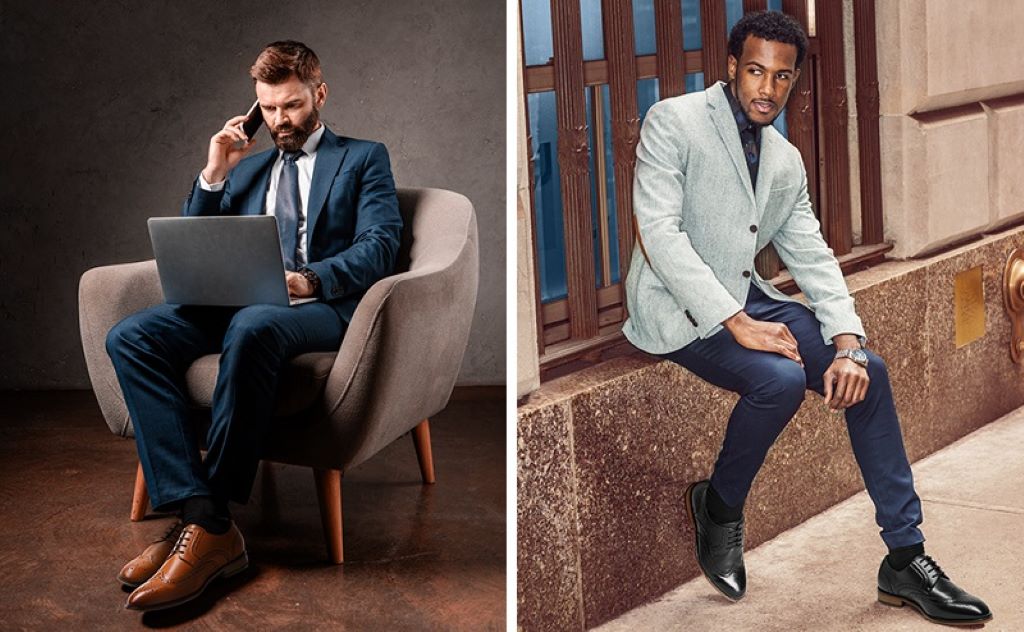
Style matters just as much as comfort in the office. Match your shoes to your outfit for a polished look. Dark brown or black leather works with most suits. You can add subtle details like brogue patterns for personality without losing professionalism.
Loafers offer easy slip-on convenience for business casual days. Pair them with chinos or dress pants. However, avoid overly casual sneakers unless your workplace allows them. Keep the overall silhouette slim and clean.
Rotate two or three pairs each week. This practice extends shoe life and gives your feet recovery time. Additionally, polish leather regularly for a sharp shine. It signals attention to detail to clients and colleagues.
Consider your body type too. Slimmer builds suit narrower shoes, while broader frames look balanced in slightly wider styles. Therefore, test different shapes until you find your match.
These styling choices keep you looking confident. They also support the comfort features you already selected.
Maintaining Your Shoes for Lasting Performance
Simple care keeps your shoes fresh and supportive. Wipe leather with a damp cloth after each wear. Use conditioner once a month to prevent cracking. Store pairs with shoe trees to hold their shape.
Clean suede with a special brush. Rotate shoes to let them air out fully. Moreover, replace worn insoles every six months for continued cushioning.
These habits make shoes last longer and feel better. You save money and maintain professionalism. A few minutes of care each week pays off big.
FAQs
How often should I replace my office shoes for men?
Replace them every 8 to 12 months or when cushioning flattens. This keeps support strong and prevents pain.
Are leather or synthetic shoes better for all-day comfort?
Leather usually offers better breathability and molding to your feet. However, quality synthetics work well for budget and easy care.
What width should I choose for office shoes?
Select the width that feels snug yet allows toe wiggle. Most stores offer medium, wide, or narrow options to match your feet.
Can I wear orthotic insoles in professional office shoes?
Yes, many styles have removable insoles. Swap them for custom ones to boost support without changing the look.
How do I break in new office shoes quickly?
Wear them for 30 minutes daily at home first. Gradually increase time. Use a leather stretcher if needed for tight spots.
Conclusion
Choosing the right office shoes for men blends comfort, fit, and style. Follow the steps in this guide, and you will enjoy pain-free days at work. You stay focused, look sharp, and feel your best. Start today by assessing your current pairs. Upgrade where needed for better support and confidence. Your feet carry you through every success. Treat them well.
What shoes work best for your office? Share your experiences in the comments below. Or pass this article to a colleague who needs better footwear tips. Your feedback helps everyone choose smarter.