

Maintaining cleanliness in an office is essential, but it shouldn’t disrupt productivity. A loud vacuum cleaner can create noise pollution, disturbing employees and clients alike. Therefore, knowing how to choose a quiet vacuum cleaner for office use is critical to ensuring a calm, focused environment while keeping the workspace spotless.
Why Quietness Matters in Office Vacuums
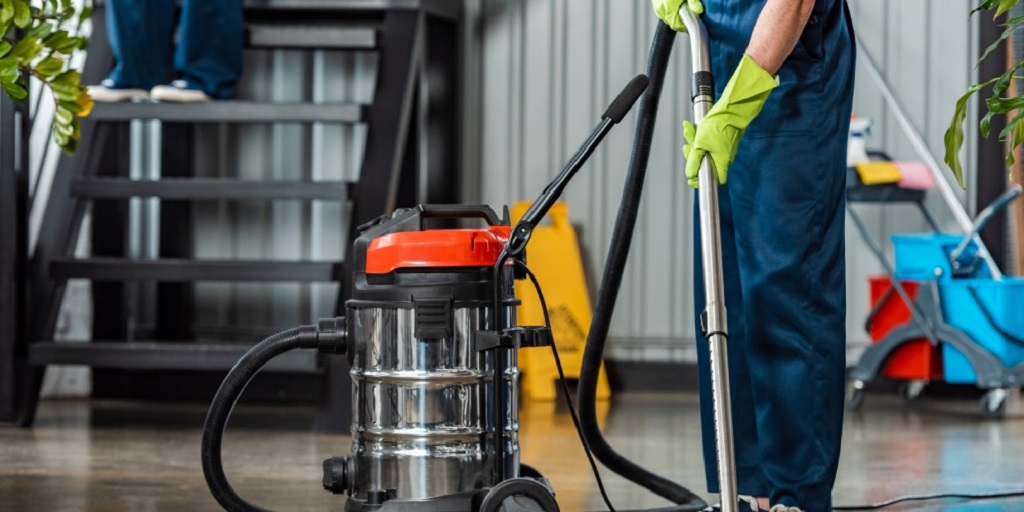
Research from the World Health Organization shows that noise levels above 55 decibels can reduce productivity and increase stress in office settings. Most traditional vacuum cleaners operate between 70 to 85 decibels, far exceeding this threshold. This noise not only distracts workers but can also damage hearing if exposure is prolonged.
In contrast, quieter models that operate around 50 to 60 decibels create a less disruptive environment. Additionally, quieter vacuums foster better communication among colleagues and improve concentration. Thus, investing in a vacuum cleaner designed for noise reduction benefits office morale and efficiency.
Key Factors to Consider When Choosing a Quiet Vacuum Cleaner
Choosing the right vacuum cleaner involves balancing noise levels with cleaning performance. Here are the primary factors to evaluate:
- Noise Level (Decibel Rating): Always check the vacuum’s decibel (dB) rating. Quiet models usually range from 50 to 65 dB. For comparison, a normal conversation is about 60 dB. Vacuum models below this range are ideal for offices that require minimal noise.
- Suction Power: Sometimes quieter vacuums lack sufficient suction, compromising cleanliness. Look for models that provide high-efficiency motors with noise dampening technology. According to Consumer Reports, some vacuums use brushless motors that deliver strong suction while maintaining low noise.
- Type of Vacuum: Upright vacuums tend to be louder due to their motor size. Canister or stick vacuums often have better noise control. Robotic vacuums, though quieter, may not handle all office cleaning needs efficiently but can be a supplementary option.
- Filtration System: A vacuum with a high-quality HEPA filter reduces allergens and dust particles, important for maintaining healthy air quality in offices. Efficient filtration should come without compromising noise levels.
- Weight and Maneuverability: Lighter vacuums ease the cleaning process without excessive noise from heavy handling. Ergonomic designs reduce operator fatigue, which indirectly influences cleaning speed and noise levels.
Innovative Features for Noise Reduction
Modern vacuum manufacturers focus heavily on noise reduction. Features such as insulated motors, rubberized components to absorb vibrations, and sealed suction paths contribute significantly to quieter operation. For instance, the Miele Complete C3 series boasts noise levels as low as 60 dB, combining power and quietness, making it a favorite in many offices.
Moreover, cordless vacuum cleaners often operate more quietly than corded models because they rely on brushless motors. However, cordless models might have shorter battery life, so assessing cleaning coverage area is necessary.
Balancing Price and Quality
While low-noise vacuum cleaners can be pricier, the investment pays off in enhanced productivity and employee satisfaction. According to a study published by the Journal of Occupational and Environmental Medicine, noise-related productivity loss can cost businesses thousands annually.
Therefore, consider the long-term benefits rather than just upfront cost. Warranty, durability, and maintenance requirements should also influence your purchase decision. Cheap models might save money initially but tend to be louder and less durable.
Real-World Examples of Quiet Vacuum Models for Offices
- Dyson V15 Detect: Known for its quiet yet powerful motor, it operates at around 68 dB. Its intelligent suction technology adjusts power based on floor type, reducing noise when full power isn’t needed.
- Shark Navigator Lift-Away: This canister vacuum runs quieter than most uprights and is priced reasonably for office budgets. It offers versatile cleaning and operates at approximately 62 dB.
- Miele Complete C3 Silence: With a decibel level near 60, this model uses soundproofing materials and a high-efficiency motor for superior quietness without sacrificing suction.
Practical Tips to Further Reduce Vacuum Noise in Offices
Even with a quiet vacuum, certain practices can minimize disruption:
- Schedule vacuuming during off-hours or breaks.
- Use rubber mats or carpets to absorb sound.
- Maintain the vacuum regularly to prevent motor strain and noise spikes.
- Consider acoustic panels in cleaning zones to reduce noise bounce.
FAQs About Choosing a Quiet Vacuum Cleaner for Office Use
What is the ideal decibel level for an office vacuum cleaner?
Aim for vacuums operating between 50 and 65 dB to minimize disruption.
Are cordless vacuums quieter than corded ones?
Generally, yes. Cordless vacuums use brushless motors, which are quieter but may have limited battery life.
Can quieter vacuums clean as effectively as louder ones?
Yes, many modern quiet vacuums use advanced motor technology to maintain strong suction with less noise.
How often should office vacuums be maintained to stay quiet?
Regular maintenance every 1-3 months, including filter cleaning and brush checks, helps maintain quiet operation.
Do robotic vacuum cleaners work well in office environments?
They can supplement cleaning but often lack the power to handle all office messes.
Are there specific brands known for quiet vacuums?
Brands like Miele, Dyson, and Shark are recognized for combining quietness with performance.
Does vacuum noise impact employee productivity?
Yes, excessive noise can reduce focus and increase stress, harming productivity.
Read More Also: Stay Fit at Work: Best Under Desk Ellipticals Reviewed
Final Thought
Choosing the right quiet vacuum cleaner for office use involves more than just checking noise ratings. It requires understanding the balance between performance, noise, and ergonomic features that suit your specific office environment. Investing in a vacuum that reduces sound pollution protects employee well-being and boosts workplace productivity.
Ultimately, a quieter vacuum is not just a cleaning tool—it’s an essential part of maintaining a professional, productive, and pleasant office atmosphere.